

Duvet reconditioning: is it really worth it?
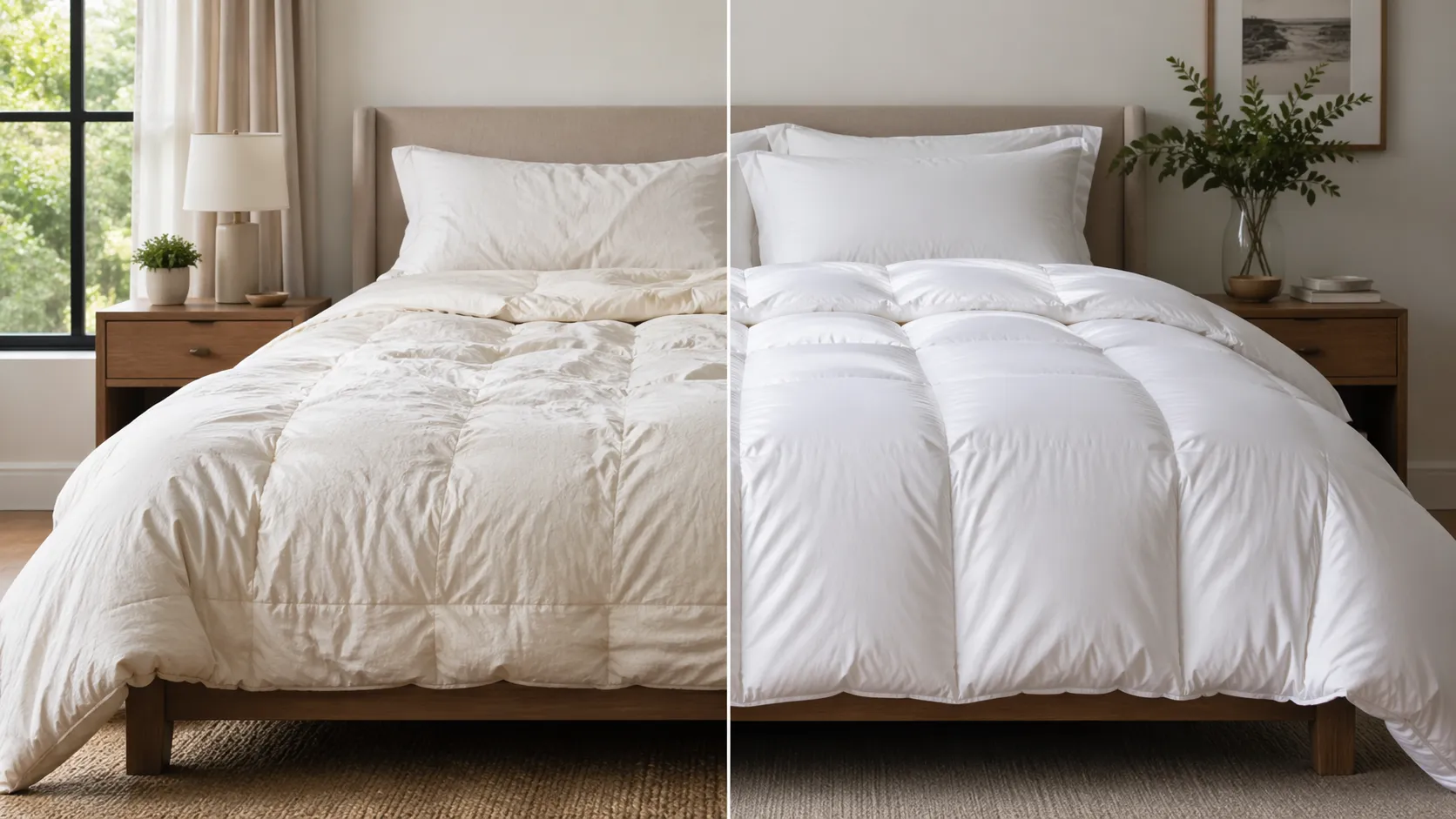
Duvet reconditioning, also known as duvet regeneration or, more generally, duvet refill, may seem like a convenient solution when the bedding item looks flat, less warm or no longer evenly filled. In reality, however, regenerating a duvet or quilt is not always the best choice: it is often worth considering the purchase of a new product, one that is more hygienic, more reliable and better suited to your current needs in terms of comfort and warmth.
1) What is duvet reconditioning?
Duvet reconditioning is a process designed to “renew” a duvet that has already been used. Depending on the service, it may include washing, sanitising, redistributing the filling, adding new internal material or repairing the quilting.
The aim is to restore volume and functionality to a product that, over time, has lost softness, warmth or uniformity. However, it is important to consider one point: a duvet or quilt is not made of filling alone. The outer fabric, stitching, internal chambers, breathability and ability to retain warmth in a balanced way also matter.
If these elements are already worn, reconditioning may only partially improve the product, without truly restoring the performance of a new item.
2) Refill, regeneration and reconditioning: what is the difference?
When talking about an old bed duvet, several different terms are often used: refill, regeneration, reconditioning, remaking or renewal. Although they are sometimes used as synonyms, they do not always mean the same thing.
- Duvet refill: mainly refers to adding new filling when the duvet looks empty or flattened.
- Duvet regeneration: suggests a broader process, often linked to cleaning and restoring the existing filling.
- Duvet reconditioning: is the most complete term and may include washing, sanitising, redistributing, adding filling and repairing the stitching.
- Duvet remaking: may refer to more structural work, such as replacing the fabric or fully remaking the product.
In any case, the central question remains the same: is it really worth working on an already used product, or is it better to buy a new duvet or quilt?
3) When people consider regenerating a duvet or quilt
Duvet regeneration is usually considered when the product shows clear signs of ageing or loss of performance.
- The duvet no longer keeps you warm as it used to.
- The filling has shifted and some areas feel emptier.
- The product has become flat and does not regain its loft after airing.
- The quilt has become heavy, less soft or less breathable.
- Persistent odours remain even after normal care.
- The outer fabric looks worn, stained or weakened.
These signs indicate that the product has lost part of its functionality. However, the problem does not always concern only the filling: often, the entire bedding item has reached the end of its useful life.
4) Why reconditioning is often not worth it
Duvet reconditioning may seem like a convenient choice, but in practice it has several limitations. The first is that the process always starts from an already used base: fabric, stitching, edges and internal structure have already undergone years of use, washing, compression and friction.
Even when new filling is added, the final result may not be comparable to a new duvet. The product may look fuller, but not necessarily more balanced, breathable or comfortable.
In addition, buying a new duvet allows you to choose a model that is better suited to your current needs: lighter, warmer, more breathable, easier to manage or more suitable for the temperature of the bedroom.
For this reason, when a duvet or quilt has been used for many years, buying new is often the most sensible choice.
5) The risks of duvet regeneration
Duvet regeneration is not always risk-free. Even when carried out carefully, the result depends greatly on the initial condition of the product. If the item is old, misshapen or damaged, the process may not solve the main problems.
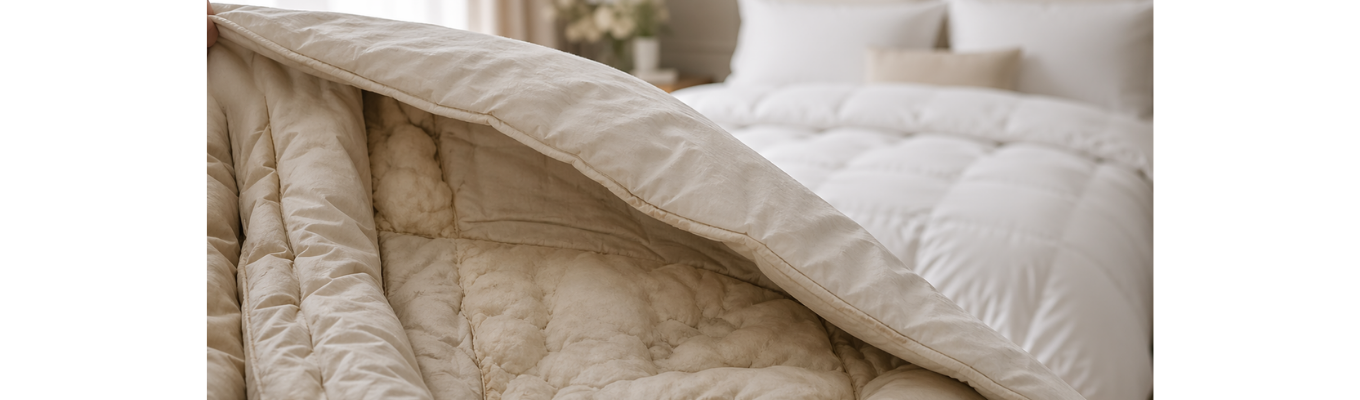
- Uneven result: the filling may not distribute perfectly evenly, leaving fuller areas and emptier areas.
- Loss of the original lightness: adding material can increase weight without truly improving thermal comfort.
- Uncertain thermal performance: the duvet may look more voluminous but not provide the same balance between warmth and breathability.
- Wear of the outer fabric: an already weakened cover may not withstand new processing or additional filling well.
- Stressed stitching: worn internal chambers and quilting may no longer hold the material correctly.
- Hygiene not always fully restored: if the product is very old, renewing the inside does not necessarily mean achieving the freshness of a new item.
- Disproportionate cost: between processing, transport and an uncertain final result, the cost may come too close to buying a new duvet.
For these reasons, regeneration is often not recommended when the duvet or quilt is many years old, has damaged fabrics or no longer provides adequate comfort. In these cases, a new product guarantees a safer, more complete and longer-lasting choice.
6) Hygiene, allergens and product freshness
A duvet or quilt is used for many hours every night. Over time, it can accumulate moisture, dust, body residues and allergens. Even with proper care, a very old product can lose freshness and feel less pleasant to the touch.
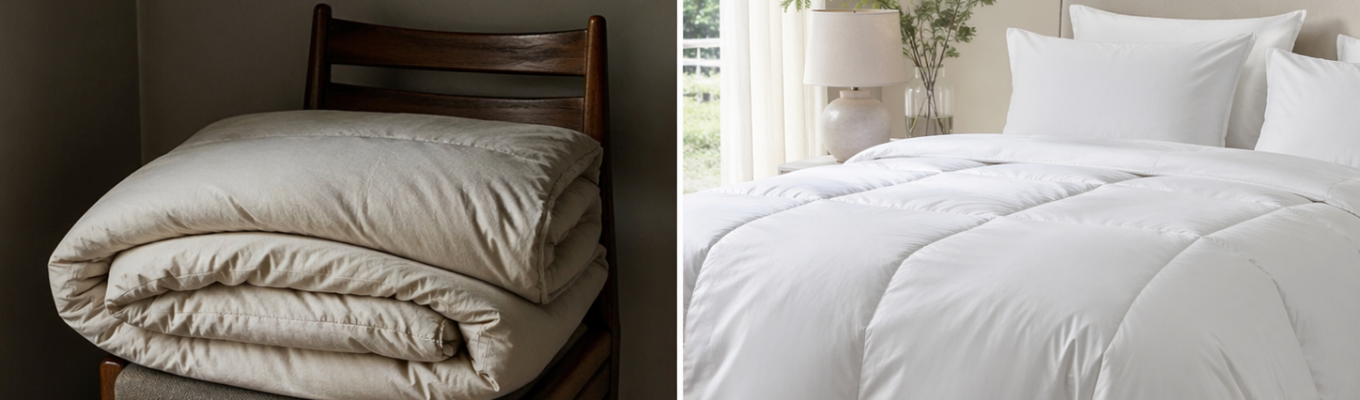
Reconditioning can improve the situation, but it does not always mean starting from scratch. The outer fabric remains the one already used, as do any signs of wear, deep stains or structural weaknesses.
A new product, on the other hand, offers a complete fresh start: new filling, new cover, intact stitching and performance designed from the outset.
7) Outer fabric, stitching and internal structure
When considering a duvet refill, people often focus only on how much internal material is missing. In reality, the outer fabric is essential: it must contain the filling, withstand everyday use, support breathability and feel pleasant against the skin.
If the cover has become thinner, stiff, stained or weakened, adding new filling does not solve the problem. The same applies to stitching and quilting: if the internal chambers no longer work properly, warmth may be distributed unevenly during the night.
A new duvet or quilt, on the other hand, is made with an intact structure. This means more stable filling, better heat distribution and greater reliability over time.
8) Warmth and comfort: why the result can be uncertain
A good duvet should not only be warm: it should also be light, breathable and suited to the temperature of the bedroom. Comfort depends on the quality of the filling, the ability to retain air and the overall construction of the product.
With regeneration or reconditioning, the result can be difficult to predict. A duvet may become fluffier again, but not necessarily more comfortable. In some cases, it may become heavier, less balanced or less suited to your sleeping habits.
For this reason, if the main problem is feeling too hot or too cold during the night, it is often better to choose a new model with the correct warmth level.
Useful guide: Warmth level: the right duvet for every season and temperature.
9) Costs: regenerate or buy new?
One of the main reasons why people consider duvet reconditioning is saving money. However, the cost should be assessed as a whole.
- The cost of the work must be considered.
- Collection, shipping or transport costs may apply.
- The final result is not always guaranteed.
- The outer fabric still remains the old one.
- The remaining lifespan of the product may be limited.
If the cost of regenerating the duvet comes too close to the cost of a new product, the economic advantage is greatly reduced. In that case, buying new means investing in a complete item that is more hygienic and more reliable.
10) When it is better to replace a duvet or quilt
There are situations in which it is better to avoid reconditioning and choose a new product directly.
- The duvet is many years old and no longer provides comfort.
- The outer fabric is worn, stained or weakened.
- The stitching no longer holds the filling properly.
- The warmth is not evenly distributed during the night.
- The quilt is heavy but not truly warm.
- The product has persistent odours or a feeling of poor freshness.
- Your personal needs have changed: a new home, a different bedroom temperature, greater sensitivity to heat or cold.
In these cases, a new product is not just a replacement: it is a real improvement in sleep quality.
11) How to choose a new duvet or quilt
If you decide not to proceed with a refill, regeneration or reconditioning, the choice of a new product should start from three elements: season of use, bedroom temperature and personal sensitivity to heat or cold.
Duvet: comfort, lightness and temperature regulation
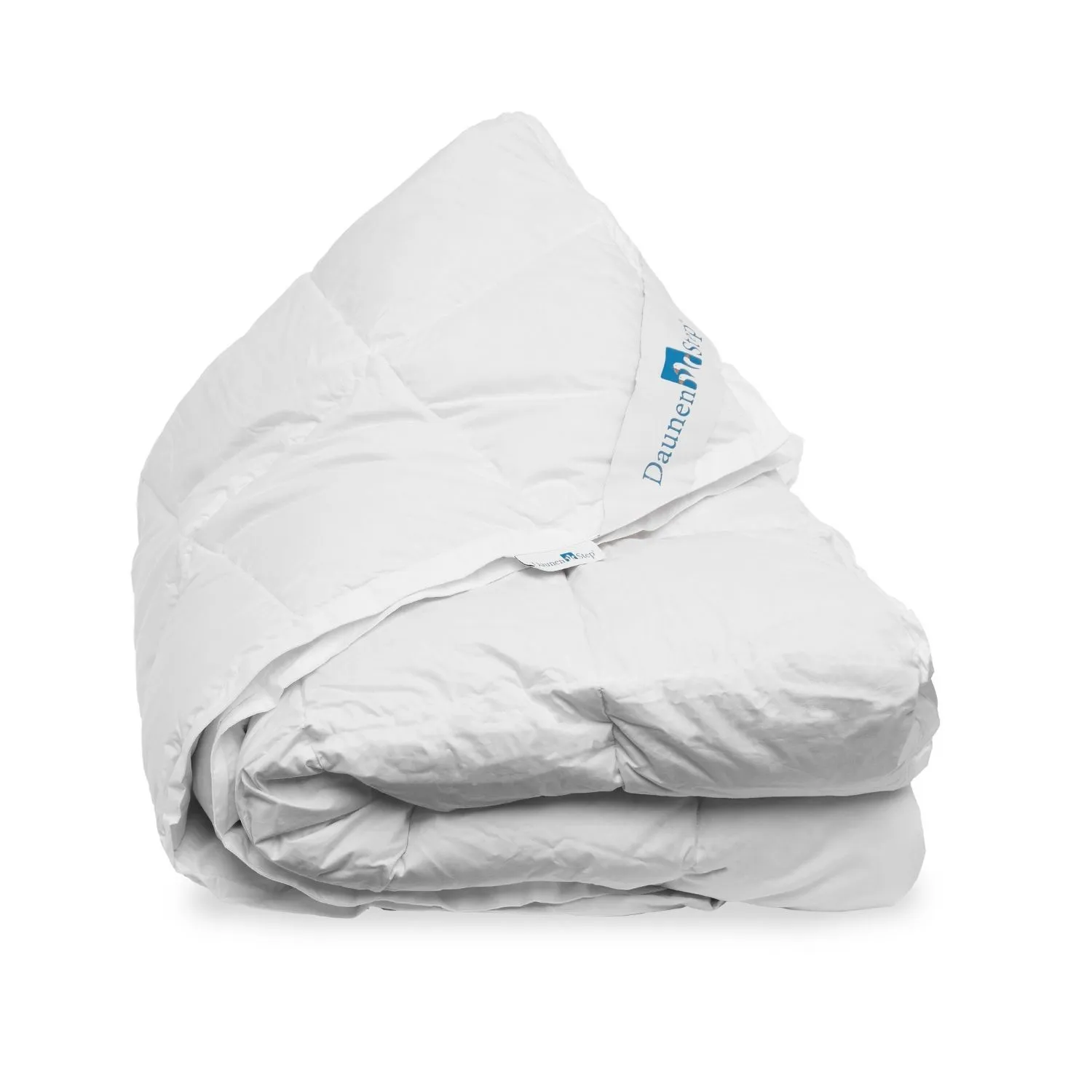
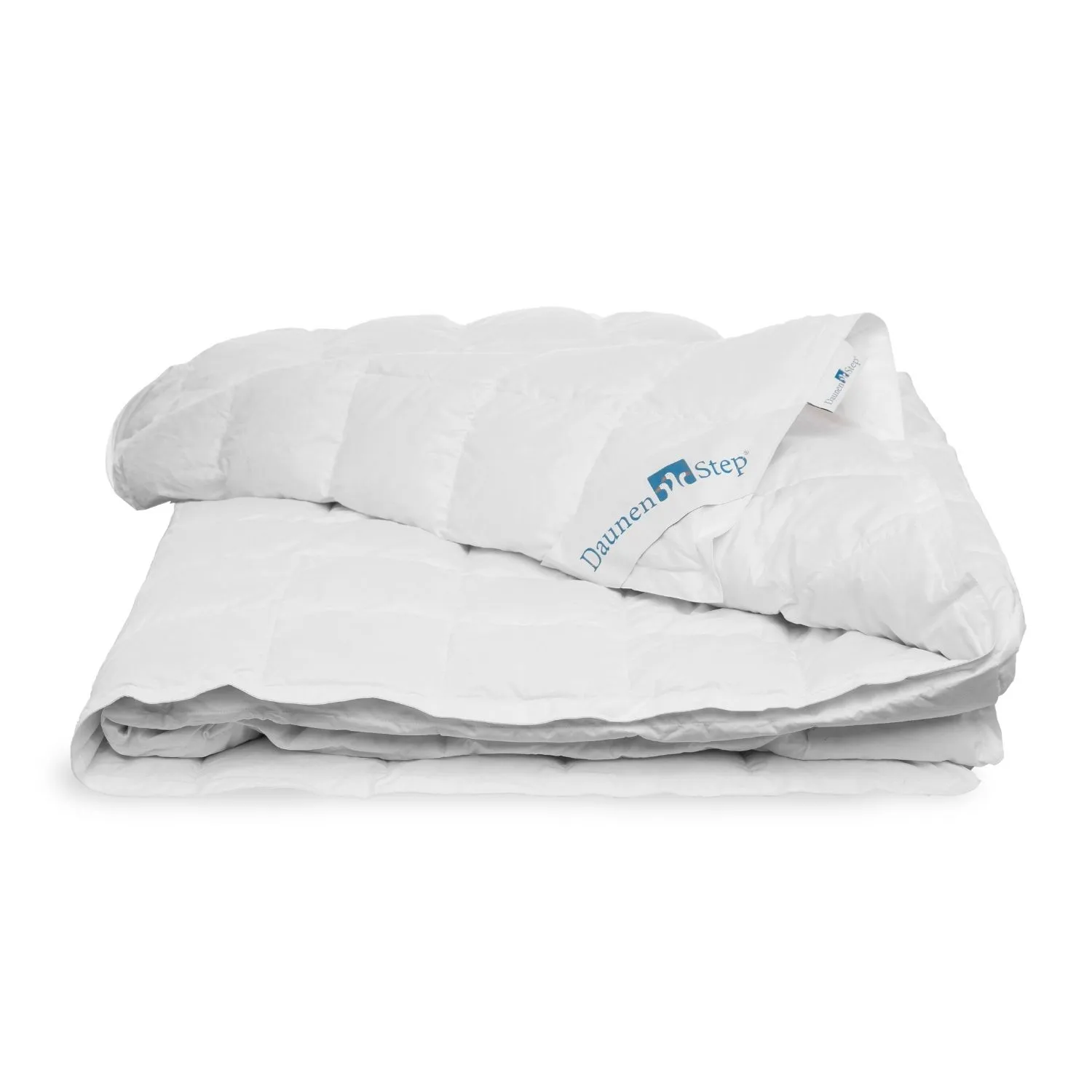
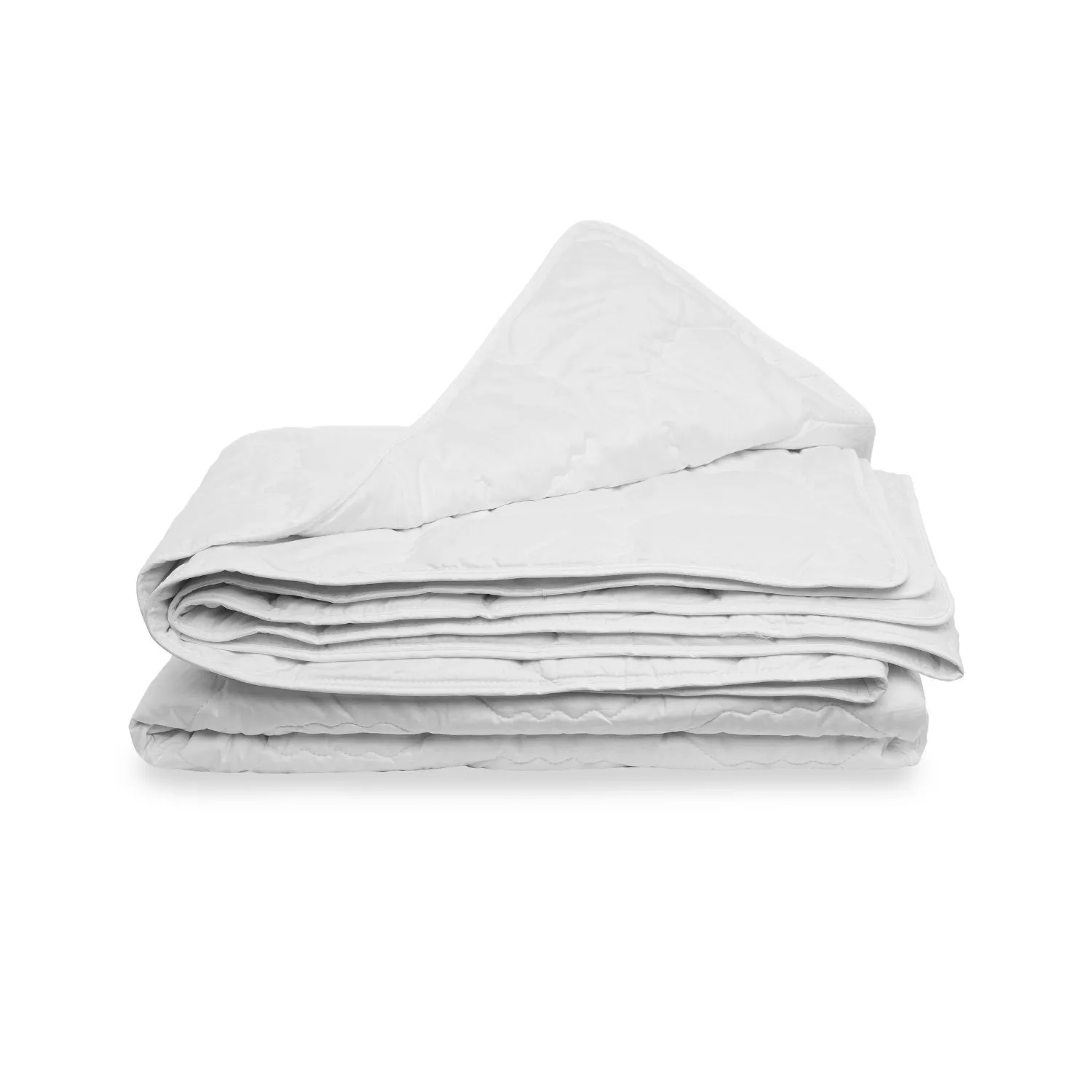
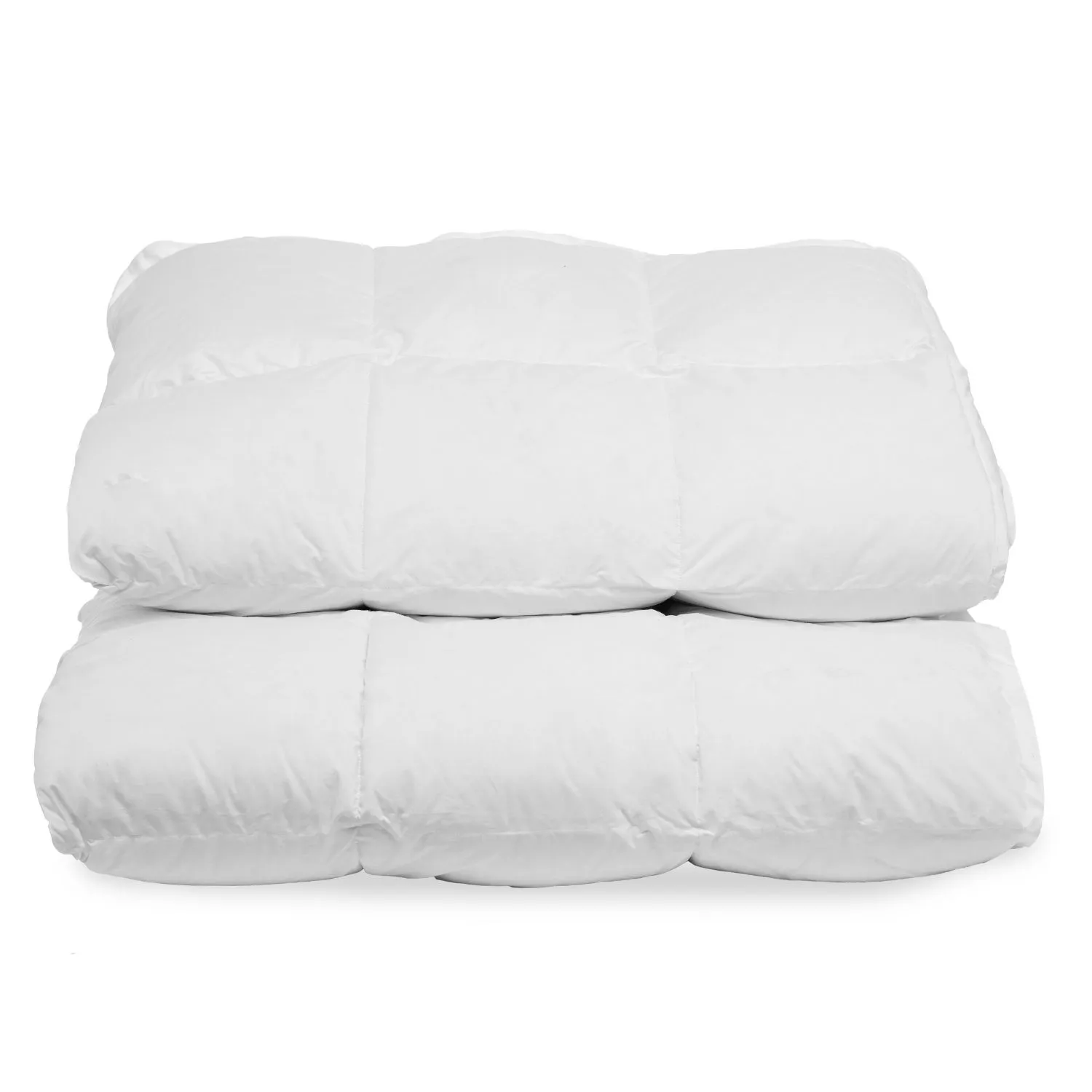
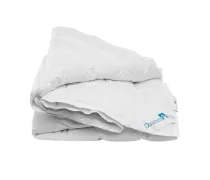
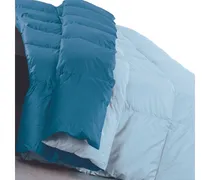
A duvet is ideal for anyone looking for a versatile, lightweight bedding item that can create a pleasant microclimate during the night. It can be chosen according to warmth level, so it better adapts to the season and your own habits.
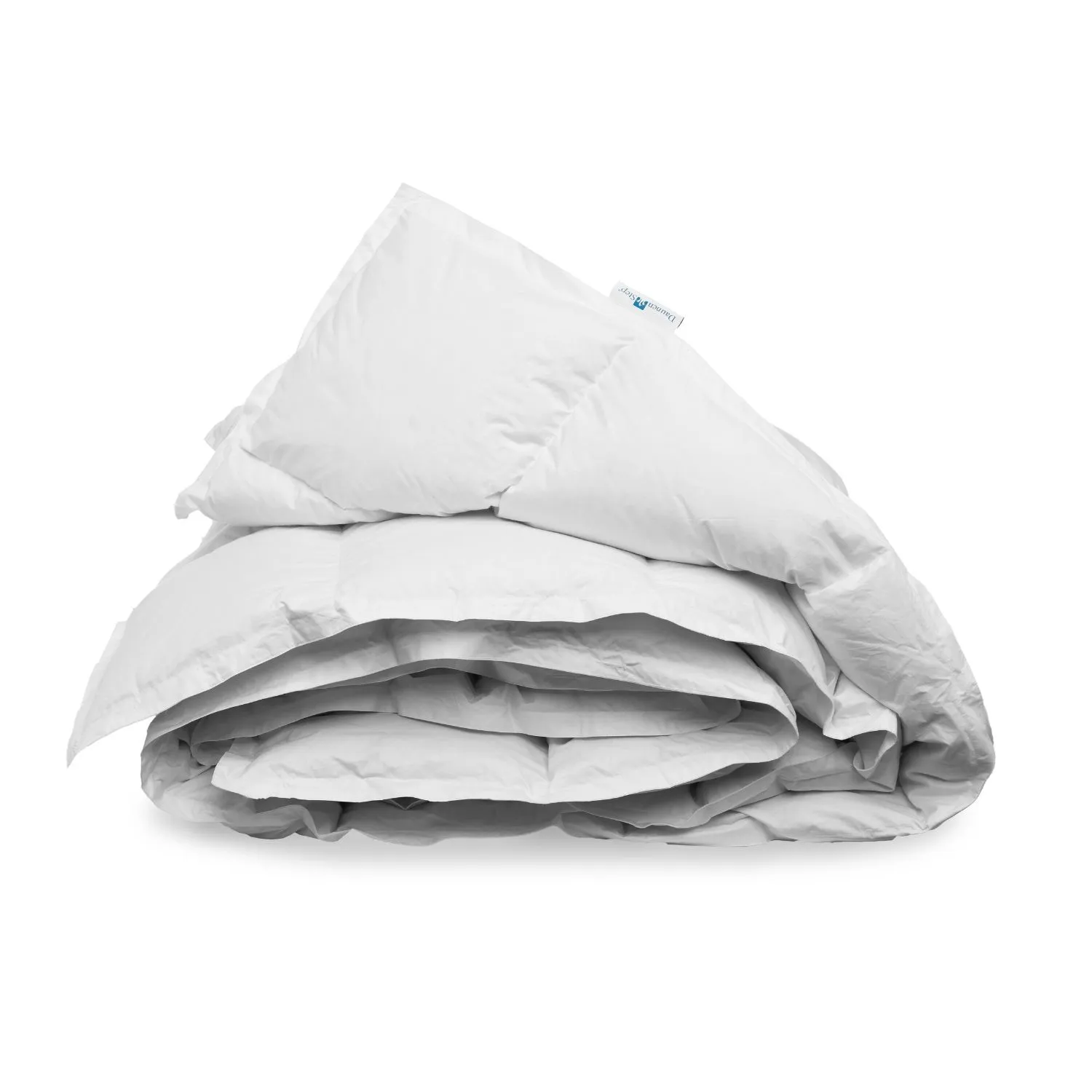
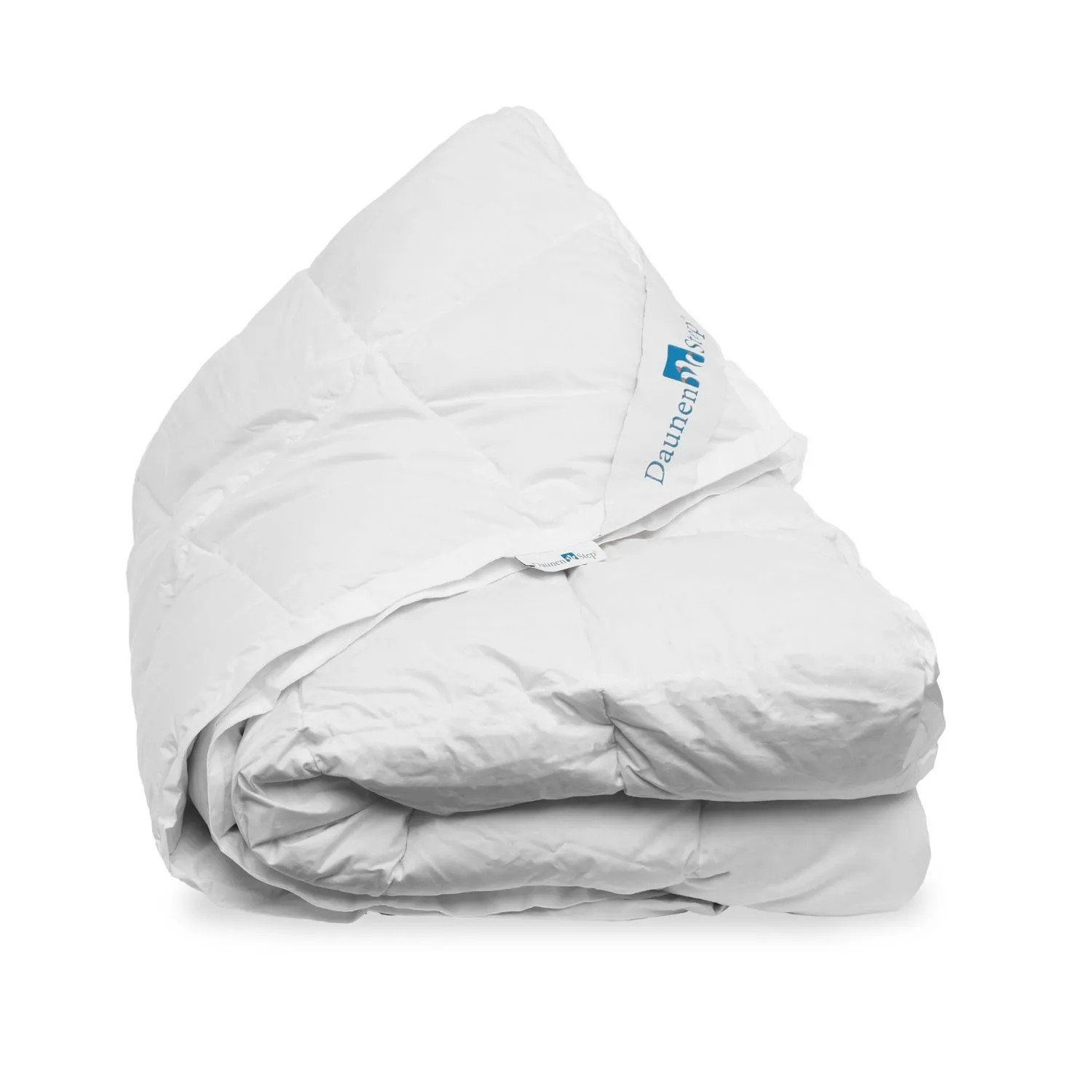
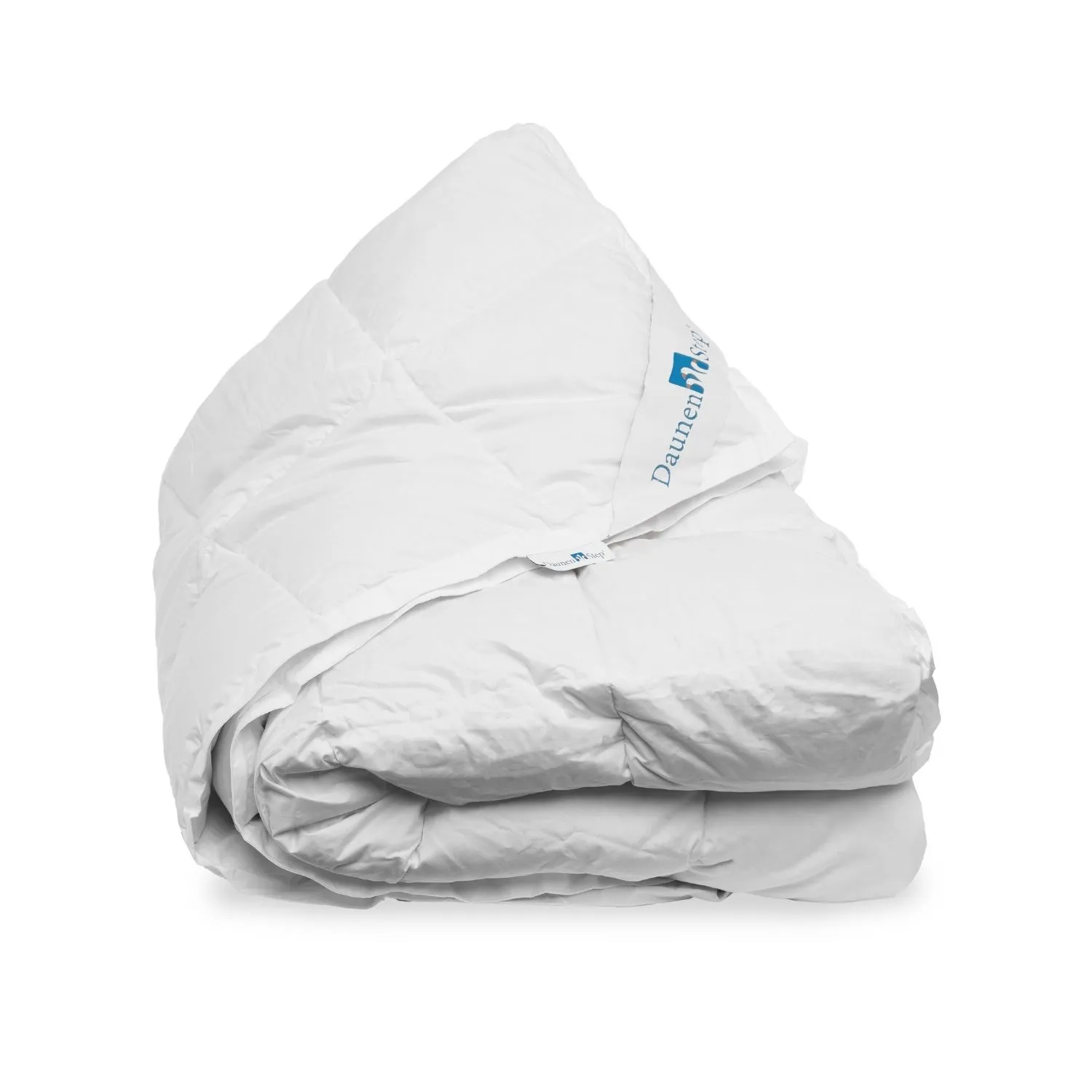
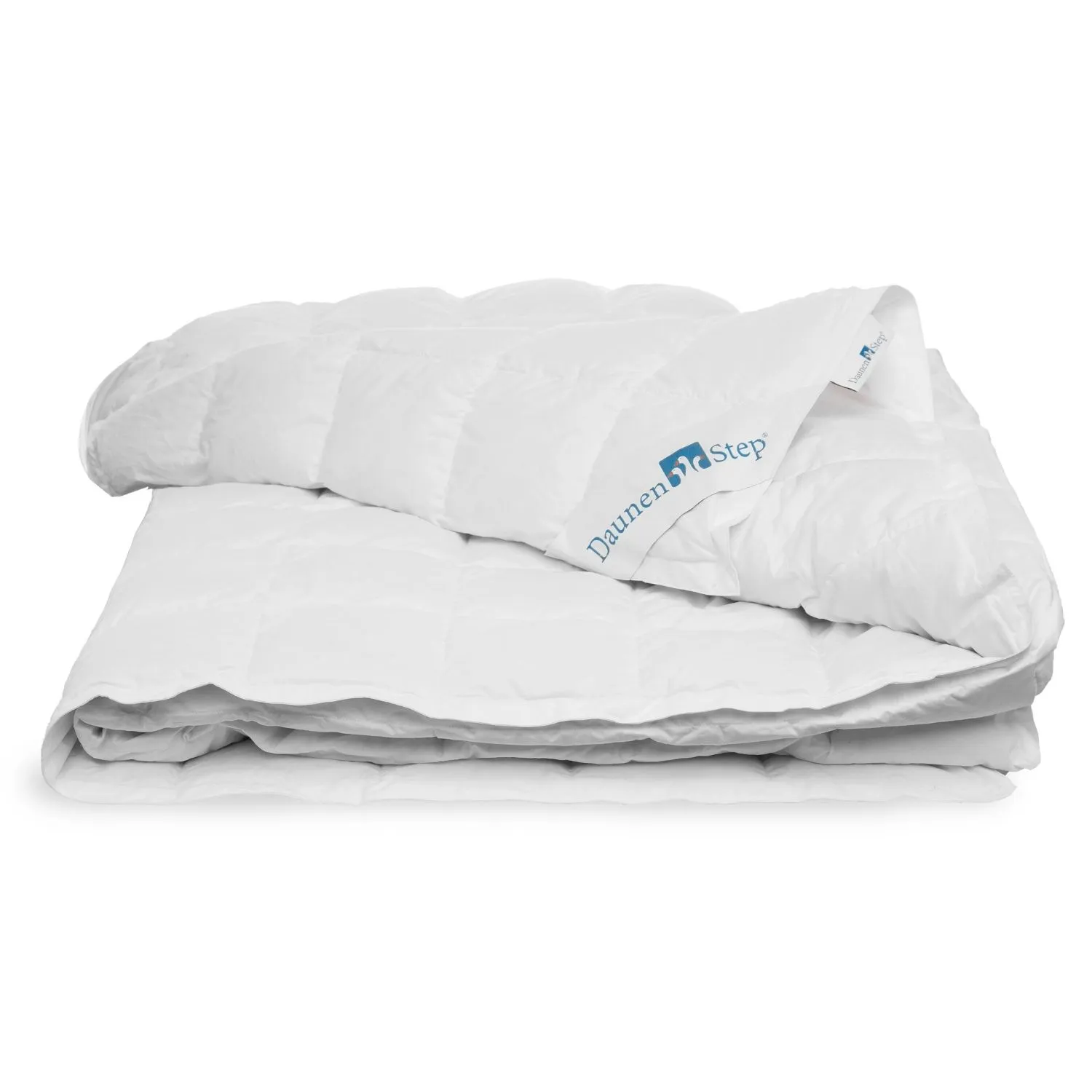
Discover the collection: DaunenStep duvets.
Useful guide: How to choose a duvet: the difference between weight and warmth level.
4-season duvet: a flexible solution
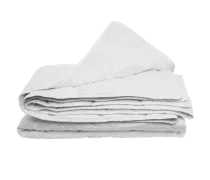
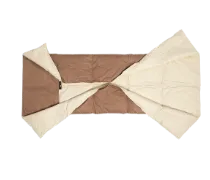
The 4-season duvet is a practical solution for those who want greater flexibility. It consists of two duvets that can be used separately or together, depending on the temperature and time of year.
Discover: 4-season duvets.
Learn more: The 4-season duvet.
Quilt: ready to use and decorative
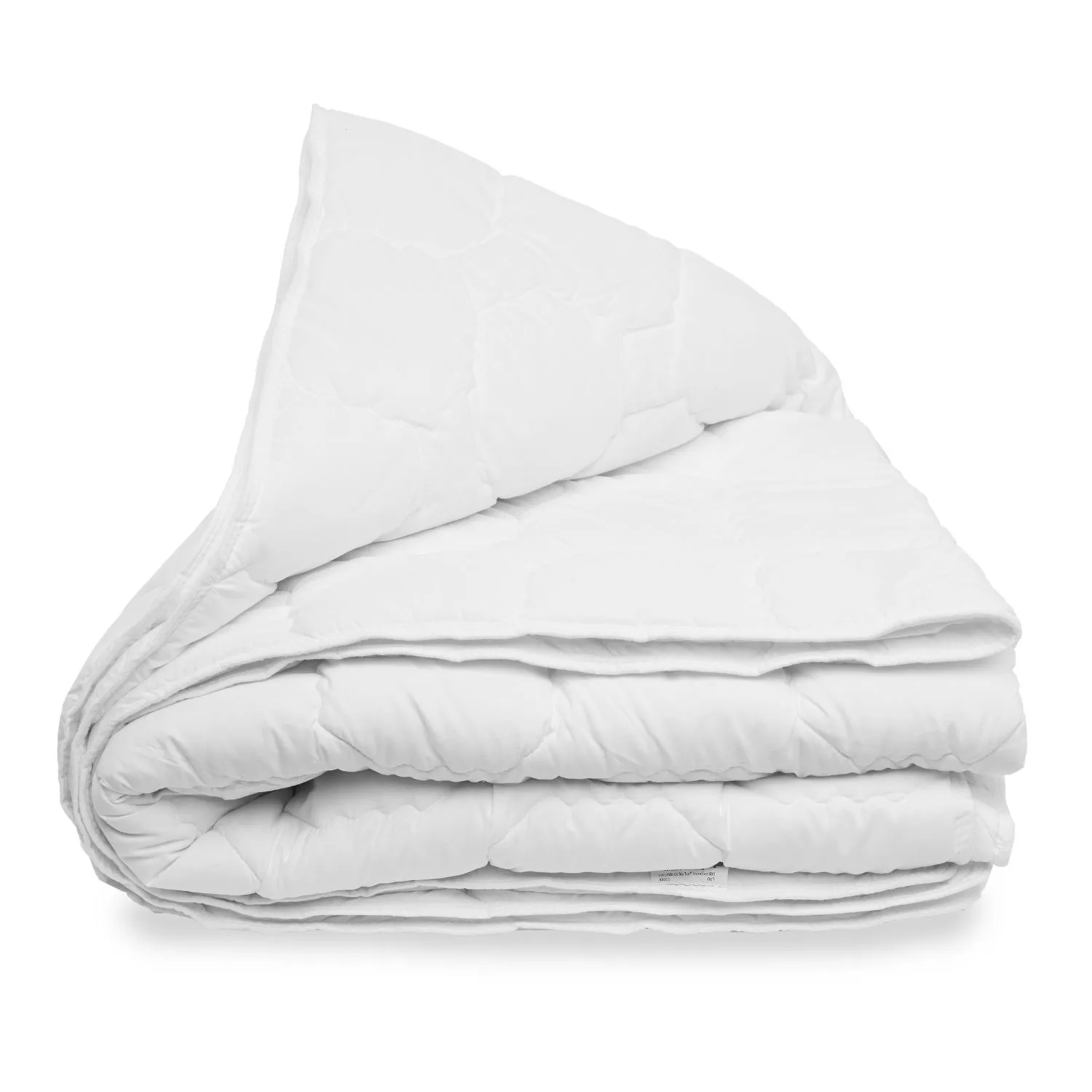
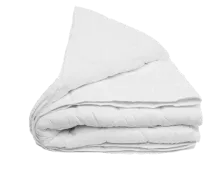
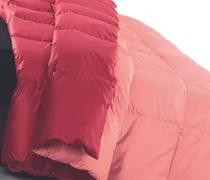
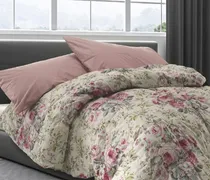
A quilt is suitable for those who want a bed that already looks complete from an aesthetic point of view. It does not require a duvet cover and can enhance the style of the bedroom.
Discover the collection: DaunenStep quilts.
For a more decorative style: Patterned quilts.
Do not choose only by weight
A common mistake is thinking that a heavier duvet is automatically warmer. In reality, what matters is the quality of the filling, the construction, the fabric and the warmth level.
Learn more: Which duvet should you choose? Buying guide.
FAQ on duvet reconditioning, regeneration and refill
Is duvet reconditioning worth it?
In most cases, it is not worth it, especially if the duvet is old, flat or has a worn outer fabric. Reconditioning can improve some aspects, but it does not always restore the original comfort, hygiene and performance.
What is the difference between duvet refill, regeneration and reconditioning?
Refill mainly refers to adding filling. Regeneration refers to recovering the existing product. Reconditioning is a broader term and may include washing, sanitising, redistributing and adding internal material.
Is duvet regeneration risky?
It can be if the product is very old or damaged. The risk is obtaining an uneven, heavier or short-lasting result, especially if the fabric and stitching are already compromised.
Is it better to regenerate a quilt or buy a new one?
If the quilt is heavily used, heavy, poorly breathable or has damaged stitching, it is better to buy a new one. A new quilt offers an intact structure, greater freshness and more reliable performance.
Does a refill make the duvet as warm as before?
Not always. Warmth also depends on the distribution of the filling, the internal structure, the outer fabric and the product’s ability to retain air. Adding filling does not automatically guarantee the original performance.
When is it better to replace a duvet?
It is better to replace it when it no longer warms properly, stays flat, has empty areas, persistent odours, worn fabric or weakened stitching. In these cases, a new product offers greater guarantees of comfort and durability.
What should you choose instead of reconditioning?
You can choose a new duvet according to warmth level, a 4-season duvet if you want more flexibility, or a quilt if you are looking for a ready-to-use and decorative solution.
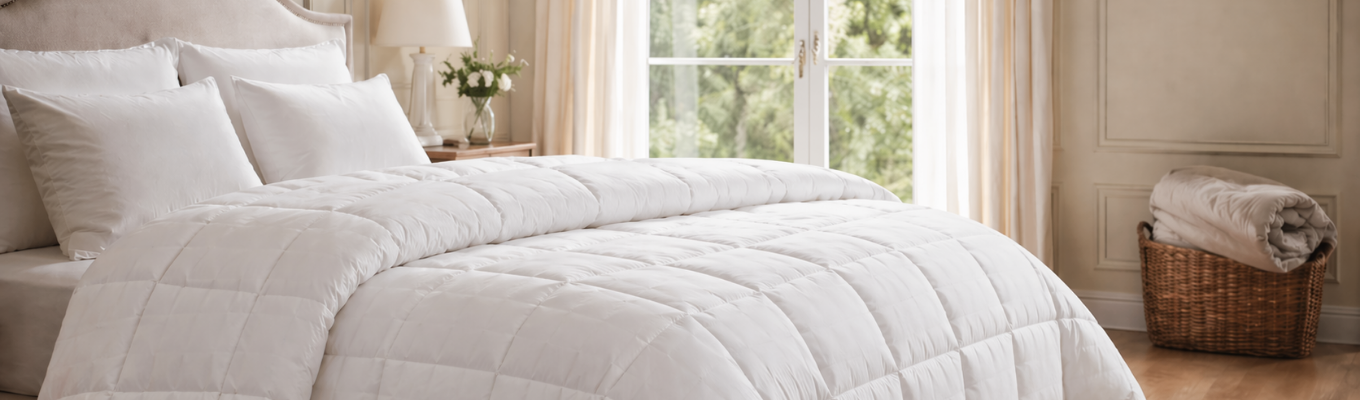
Conclusion: duvet reconditioning, regeneration and refill may seem like convenient solutions, but they often do not solve the real limitations of a product that is already worn. If the fabric, stitching, filling and comfort are no longer what they used to be, the safest choice is to buy a new duvet or quilt: more hygienic, more reliable and better suited to your sleeping needs.
Discover DaunenStep solutions: Duvets, 4-season duvets and Quilts.
Related products