




















Anatomic pillows
Memory pillow with a perfect support for head and neck.



Quick comparison
Which anatomical pillow should you choose?
| Product | Ideal for | Main feature | Type |
|---|---|---|---|
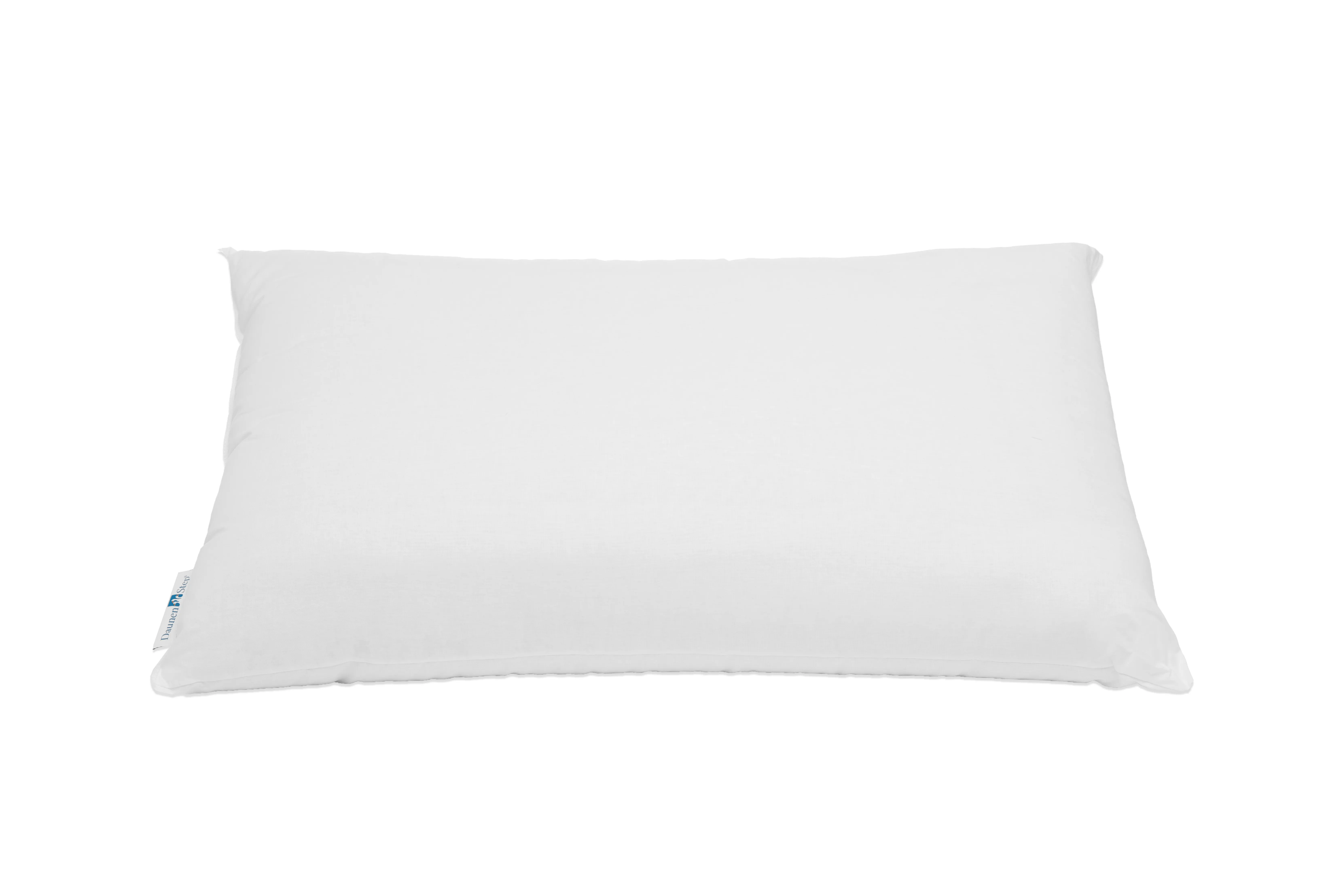
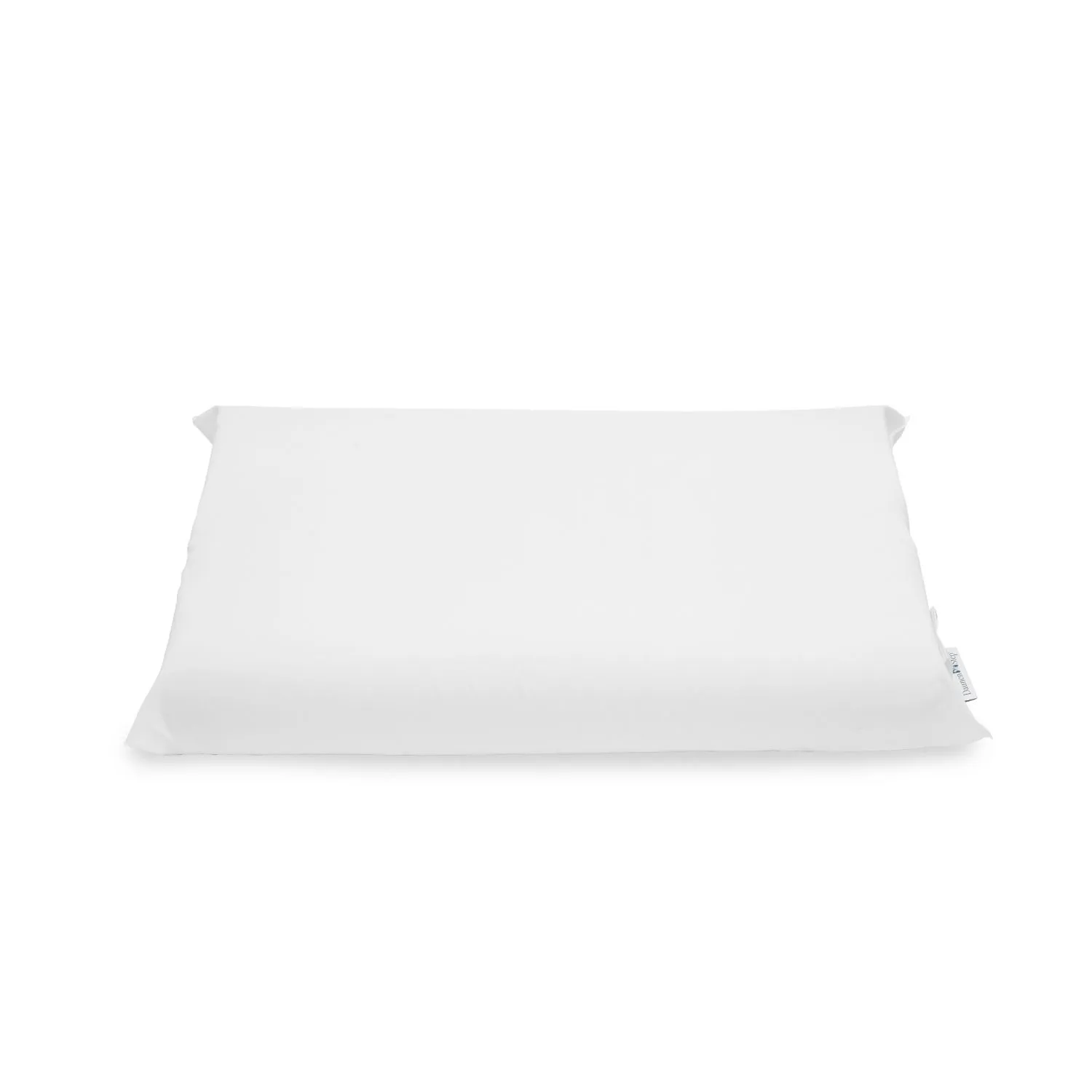
| Anatomico Classico | Those looking for a simple, supportive and comfortable anatomical pillow. | Polyurethane core and cotton cover for stable support. | Anatomical |
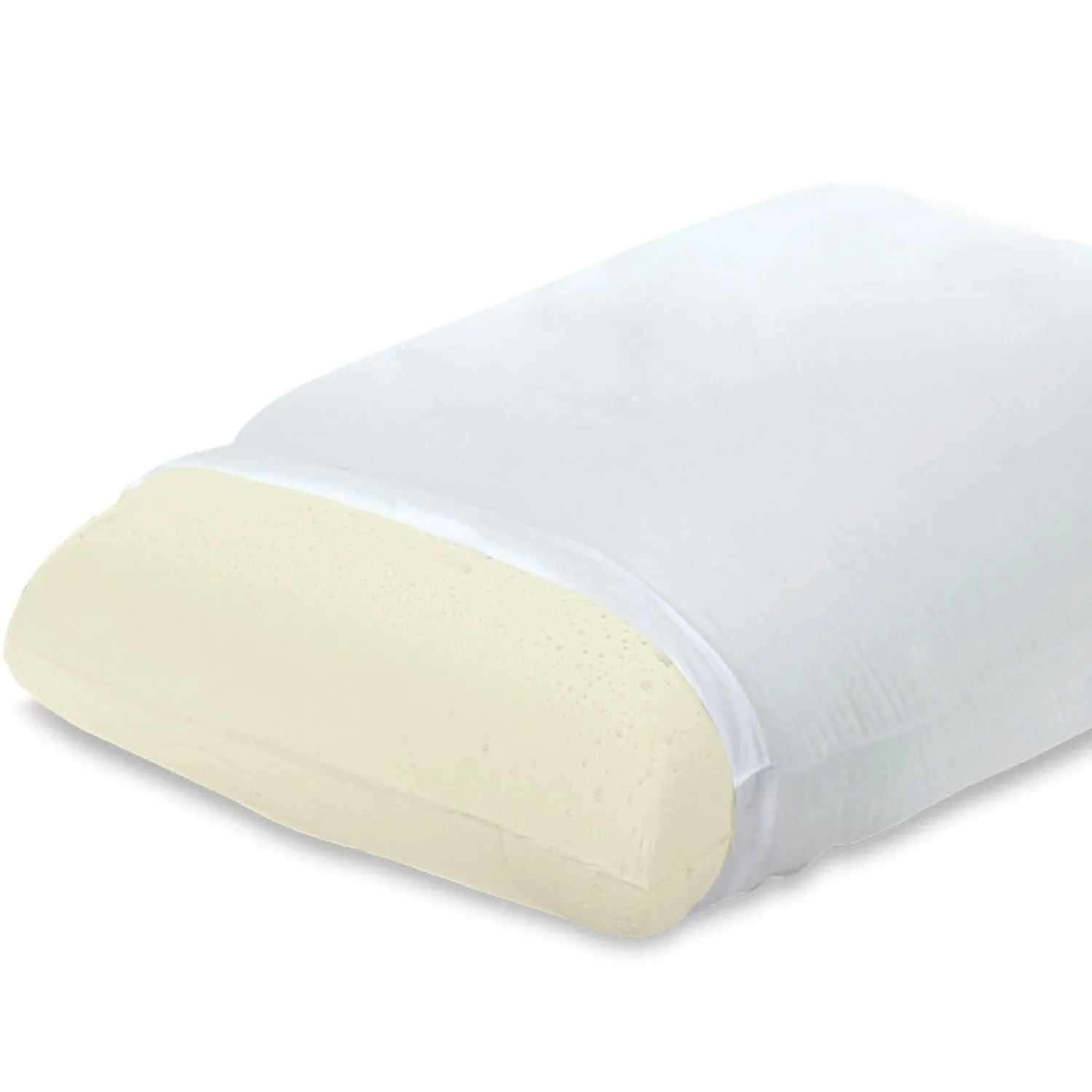
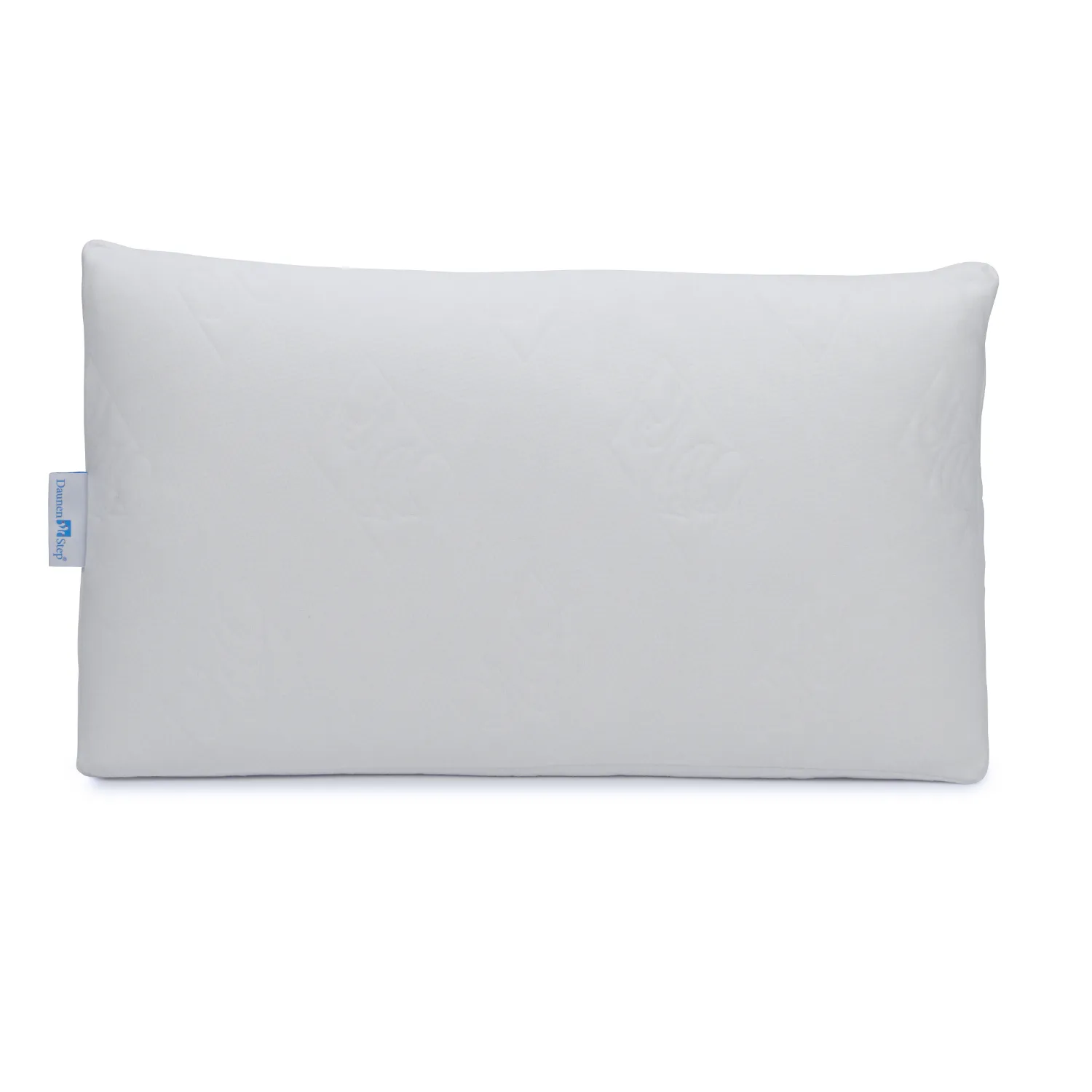
| Memo Classico | Those who prefer a memory foam pillow with a traditional shape. | Classic-shaped design, created for anatomical comfort with a familiar feel. | Memory foam |
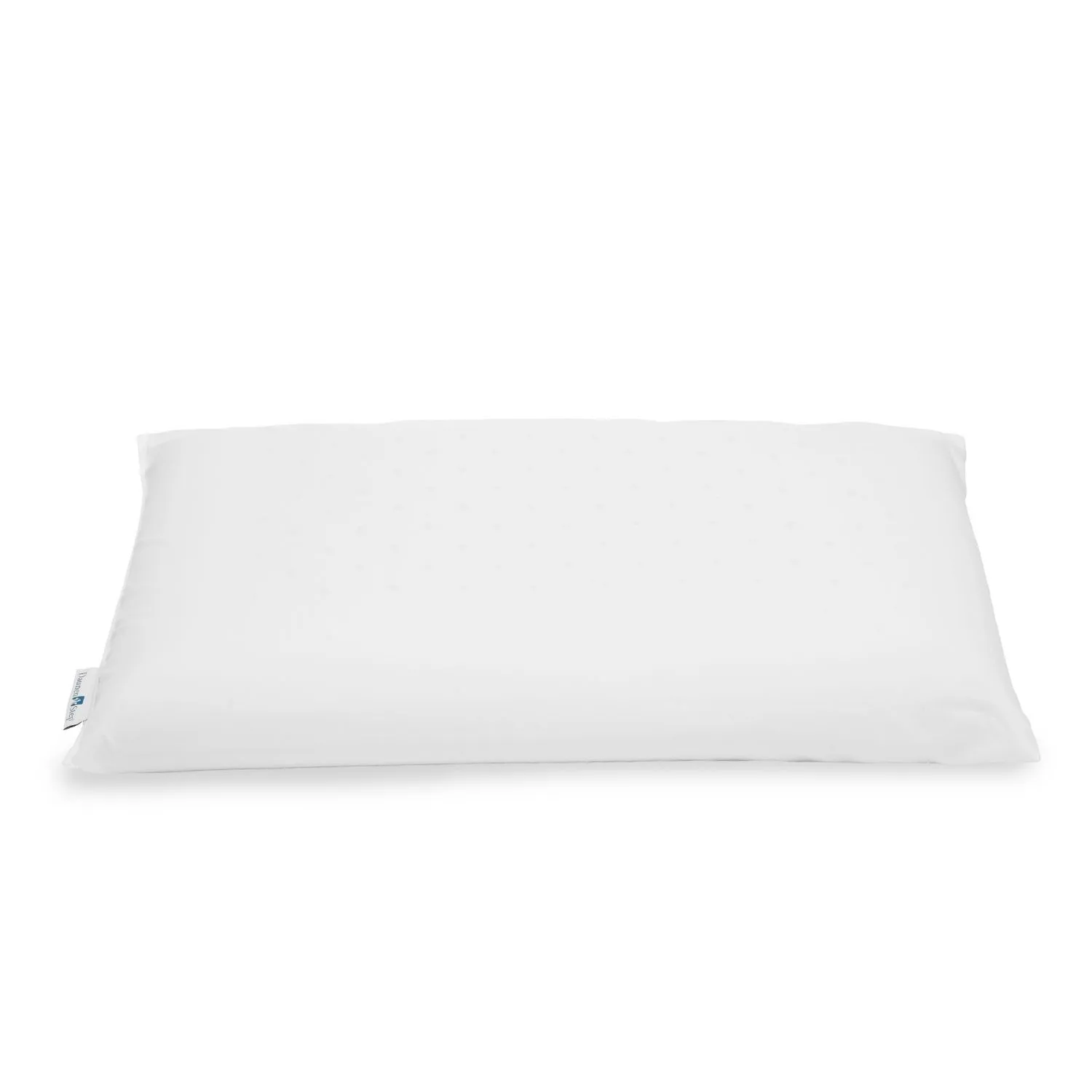
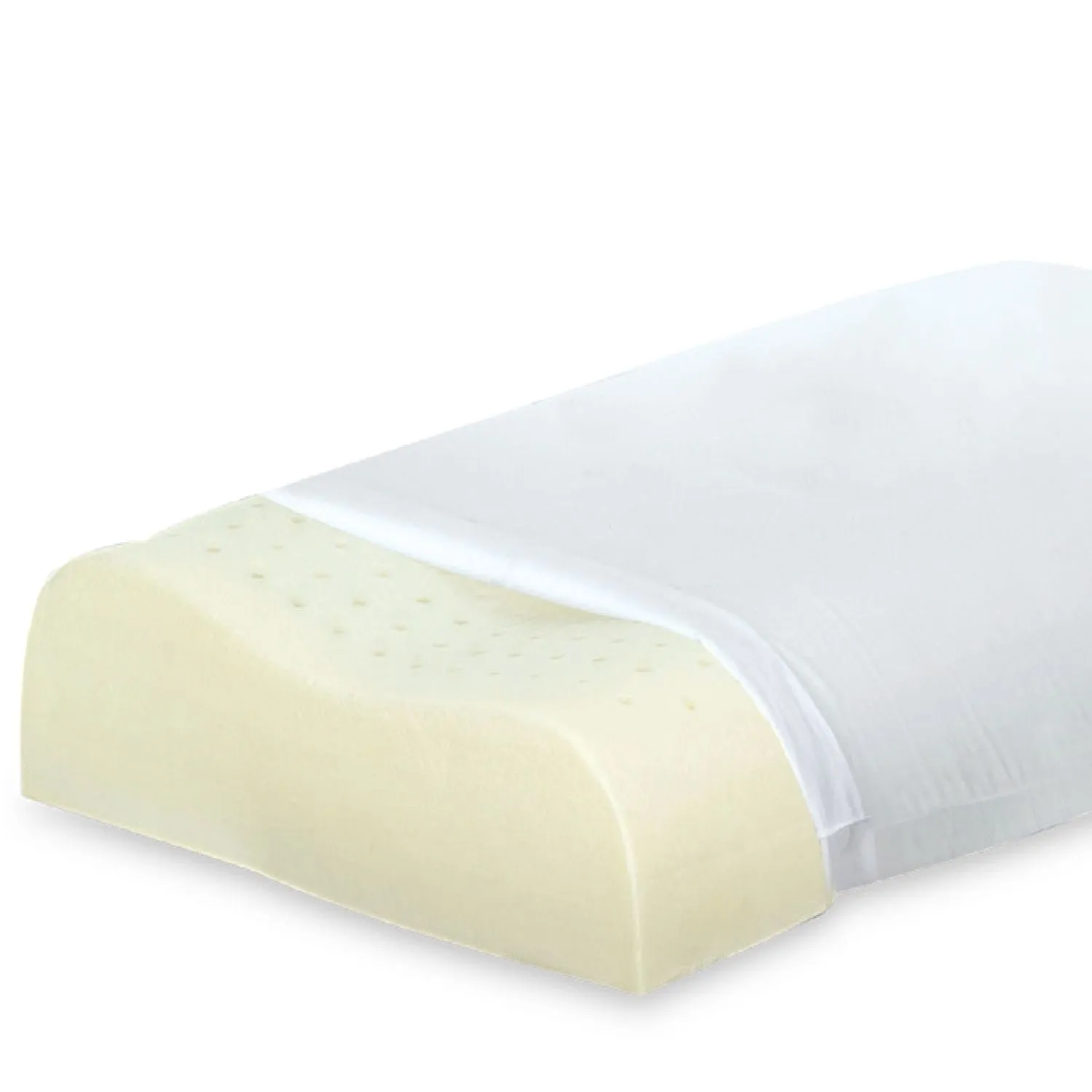
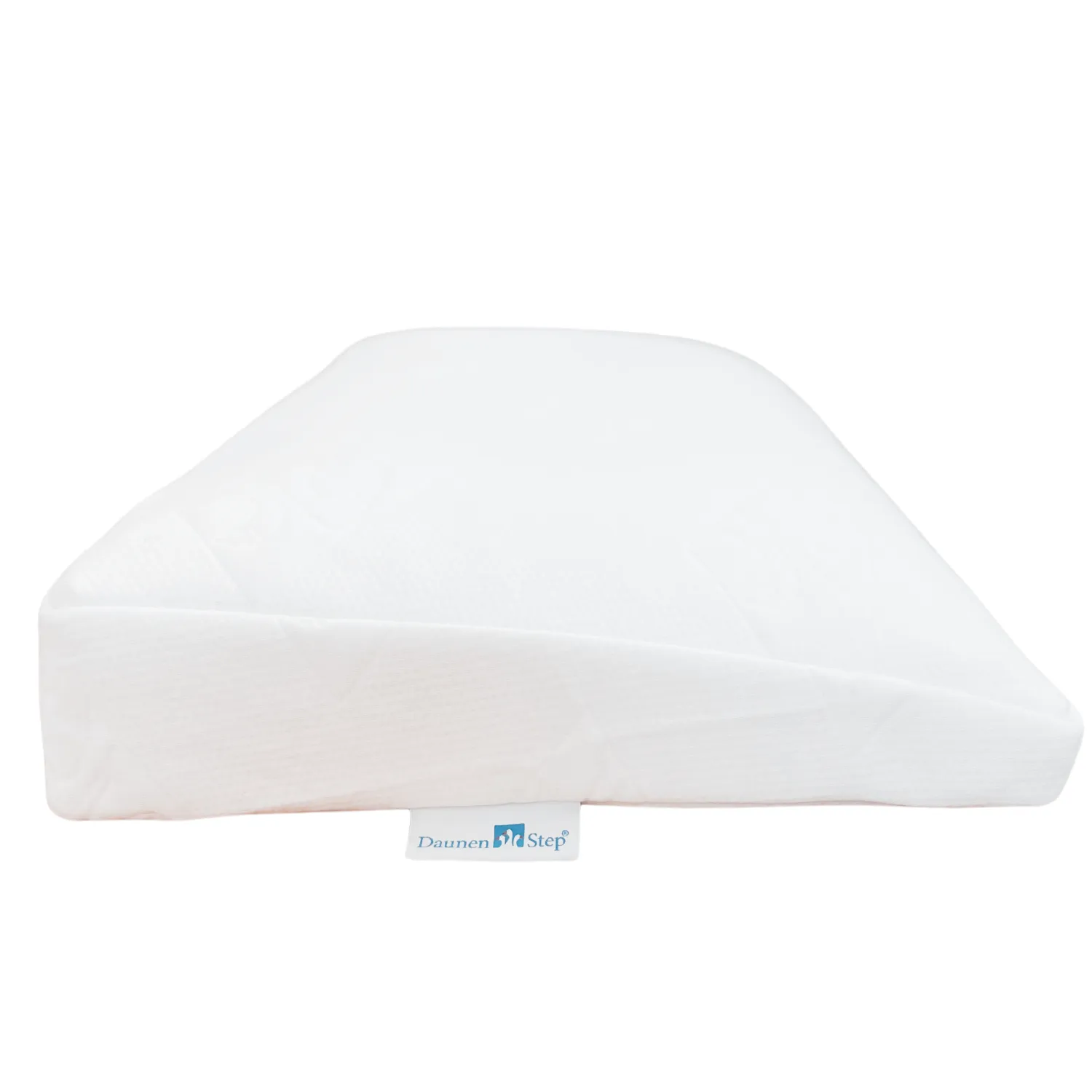
| Memo Anatomico | Those who want more targeted support for the neck, head and shoulders. | Double-wave shape with two different heights, allowing you to choose the most suitable side for your sleeping position. | Neck support / double wave |
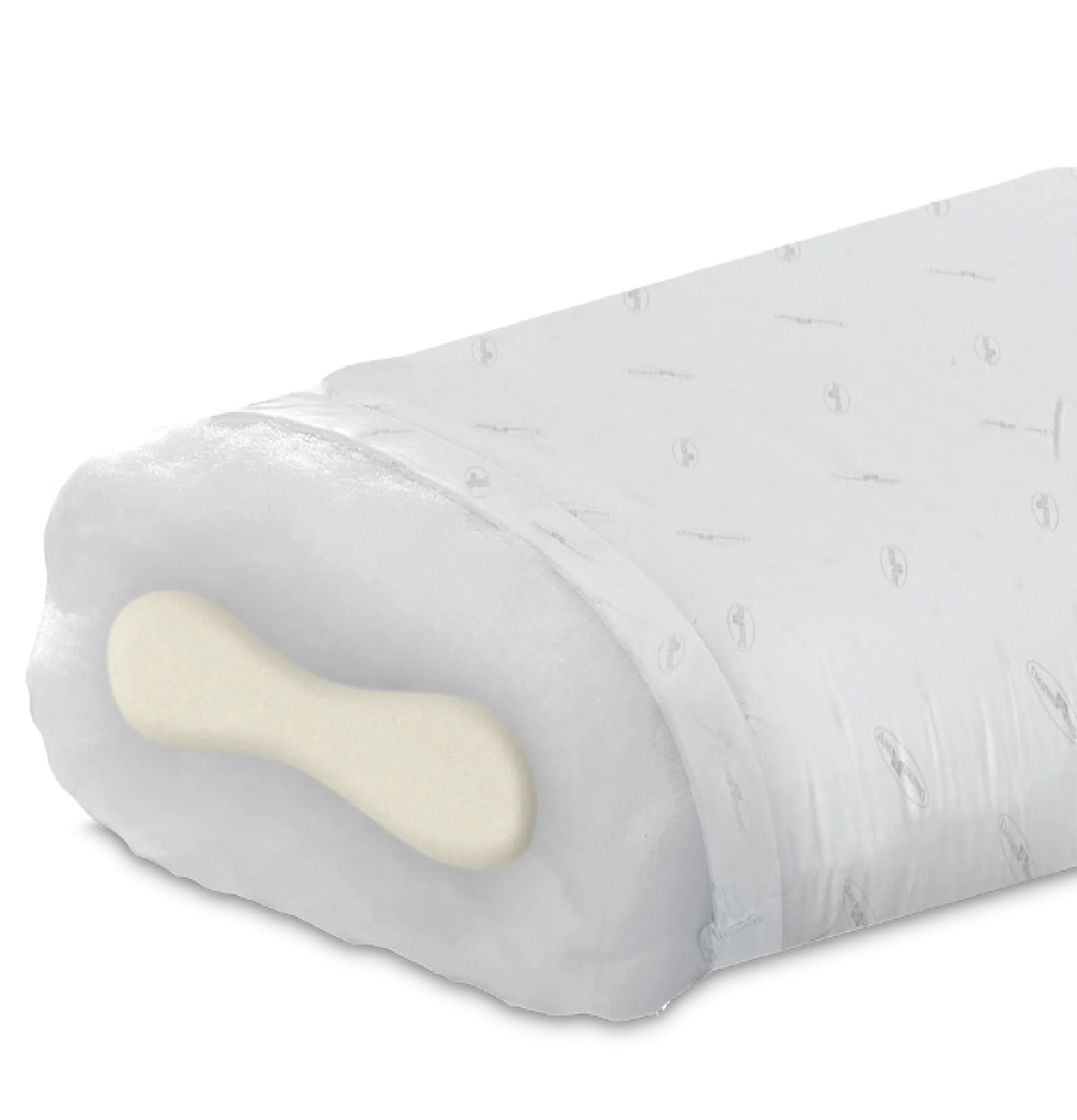
| Fisio | Those looking for a premium anatomical pillow with more structured support. | Shape-retaining anatomical inner core and outer chambers with PrimaLoft® Bio™. | Premium / Fisio |
Guide to anatomical pillows
How to choose the right anatomical pillow?
Choosing the right anatomical pillow depends on your sleeping position, the desired height and the level of support you prefer. A suitable pillow should help the head, neck and shoulders maintain a natural position during sleep, without being too high or too low.
An anatomical pillow or a neck support pillow: what is the difference?
An anatomical pillow is designed to adapt to the shape of the head and neck. A neck support pillow, on the other hand, often has a more specific shape, such as a double wave, designed to provide targeted support for the neck area. The choice depends on your sleeping habits and the type of support you prefer.
Is a classic-shaped pillow or a double-wave pillow better?
A classic-shaped pillow maintains a more traditional shape and is suitable for those who want anatomical comfort with a familiar feel. A double-wave pillow, on the other hand, offers two different heights and may be useful for those looking for more defined support for the neck area.
Which pillow should you choose based on your sleeping position?
Those who sleep on their side or back generally need more substantial support, able to accompany the neck and shoulders. Those who sleep on their stomach should instead choose a lower or lighter pillow, to avoid excessive neck inclination during the night.
Why choose a DaunenStep anatomical pillow?
DaunenStep anatomical pillows combine selected materials, different shapes and various levels of support to meet different sleeping needs. From the traditional classic shape to the double-wave design, up to the Fisio model, every solution is designed to offer comfort, support and long-lasting quality.
Buying guide
Frequently asked questions about anatomical pillows
What is an anatomical pillow for?
An anatomical pillow is designed to adapt to the shape of the head and neck, offering more targeted support than a traditional pillow. It can help maintain a more natural position during sleep, depending on your posture and preferred level of support.
Is an anatomical pillow or a neck support pillow better?
It depends on your sleeping needs. An anatomical pillow provides shaped and comfortable support, while a neck support pillow often has a more specific shape, such as a double wave, designed to support the neck area in a more targeted way.
Which pillow should you choose if you sleep on your side?
Side sleepers generally need a pillow with more substantial support, able to fill the space between the shoulder, neck and head. An anatomical model or a double-wave pillow can be a suitable solution.
Which pillow should you choose if you sleep on your stomach?
Stomach sleepers should choose a lower or lighter pillow to limit neck inclination during the night. In these cases, supports that are too high or too firm should preferably be avoided.
What is the difference between a classic-shaped pillow and a double-wave pillow?
A classic-shaped pillow has a more traditional and regular shape. A double-wave pillow, on the other hand, has two different heights, designed to offer differentiated support for the neck area.