











Mattress Protector: Complete Buying Guide (Waterproof, Breathable, Dust-Mite-Proof)
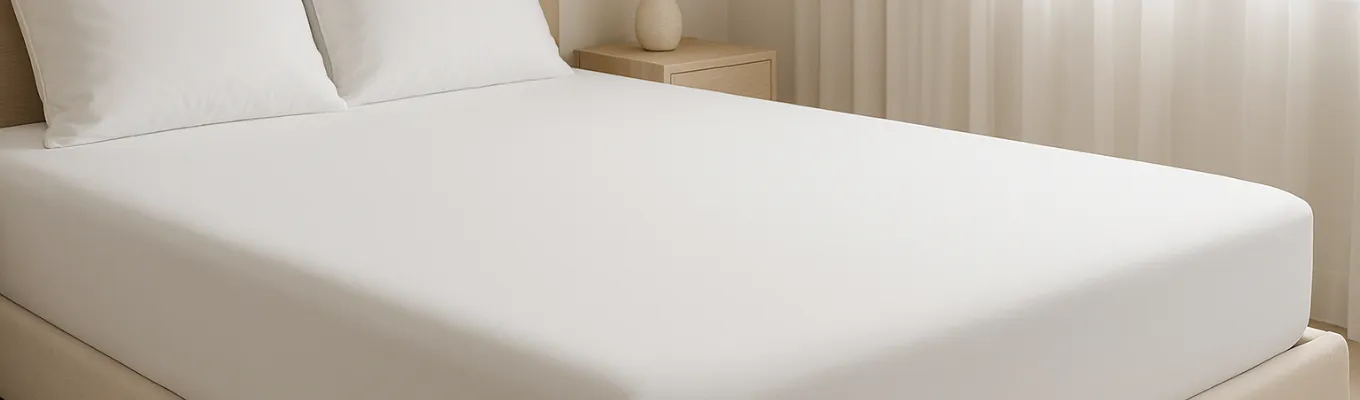
The mattress protector is an essential element to ensure a calm, hygienic sleep. In this article, we’ll explore everything you need to know about mattress protectors—from the available types to the features to consider to make the best choice. Whether for a double or a single bed, you’ll discover how to choose the right product for your needs and keep your mattress in great condition over time.
What is a mattress protector?
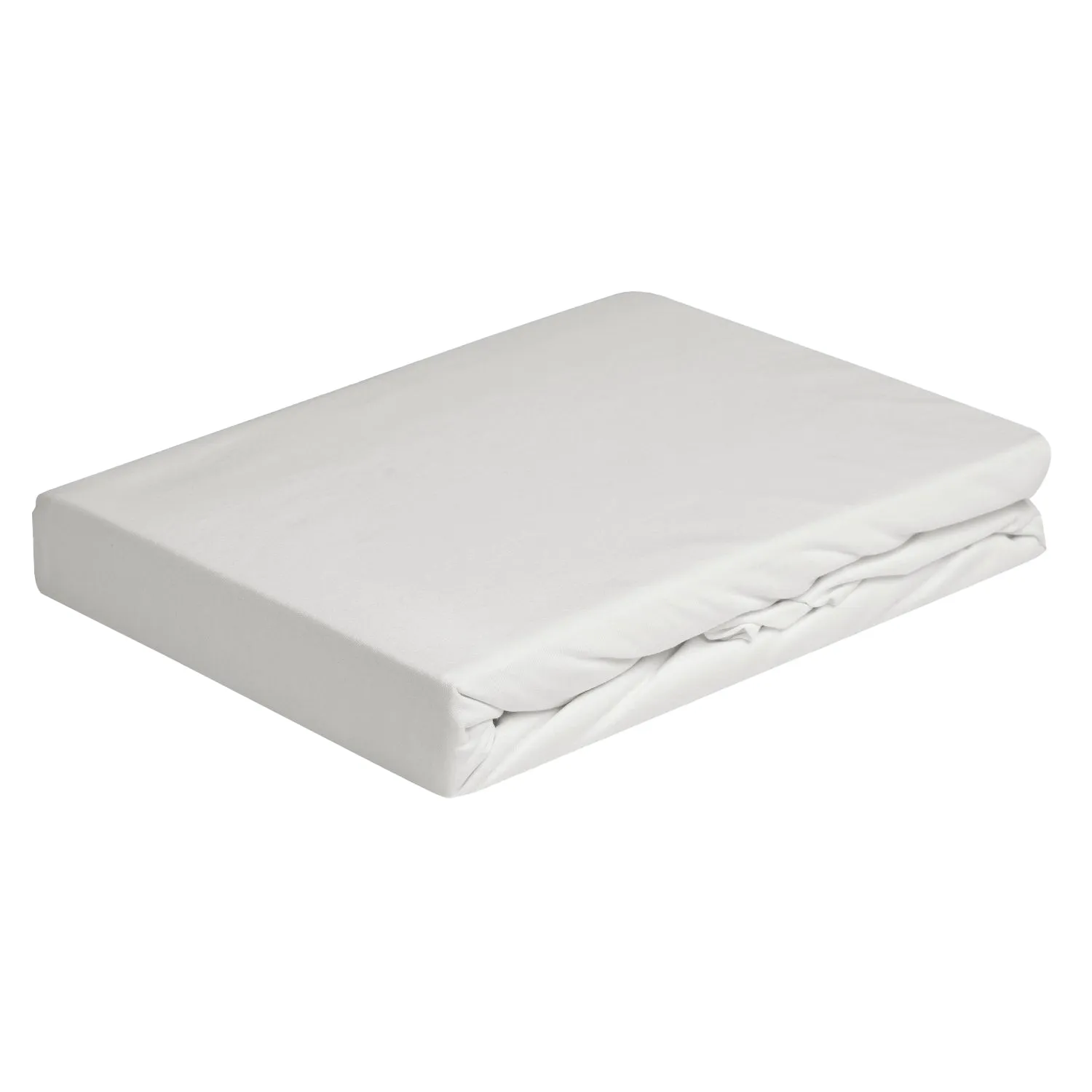
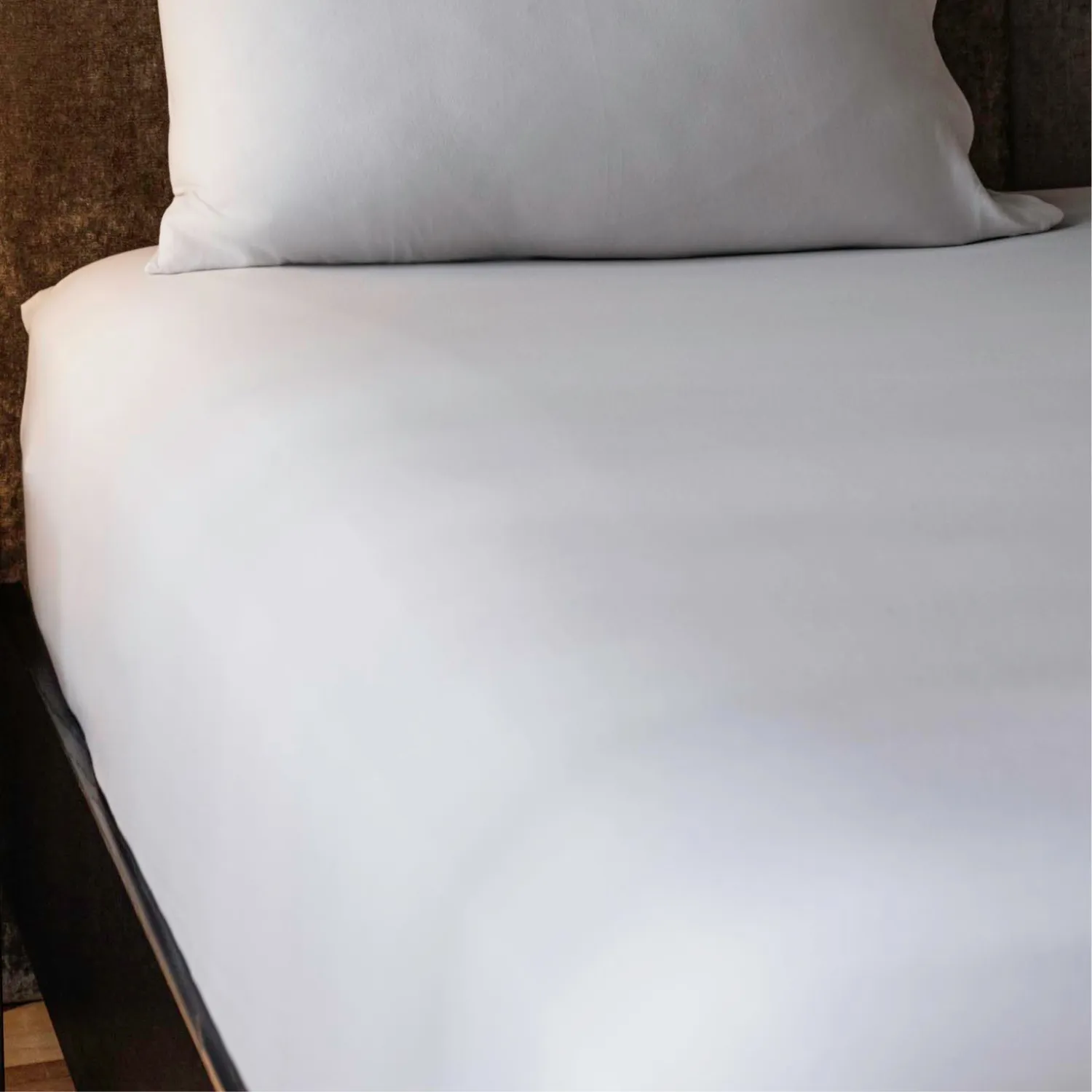
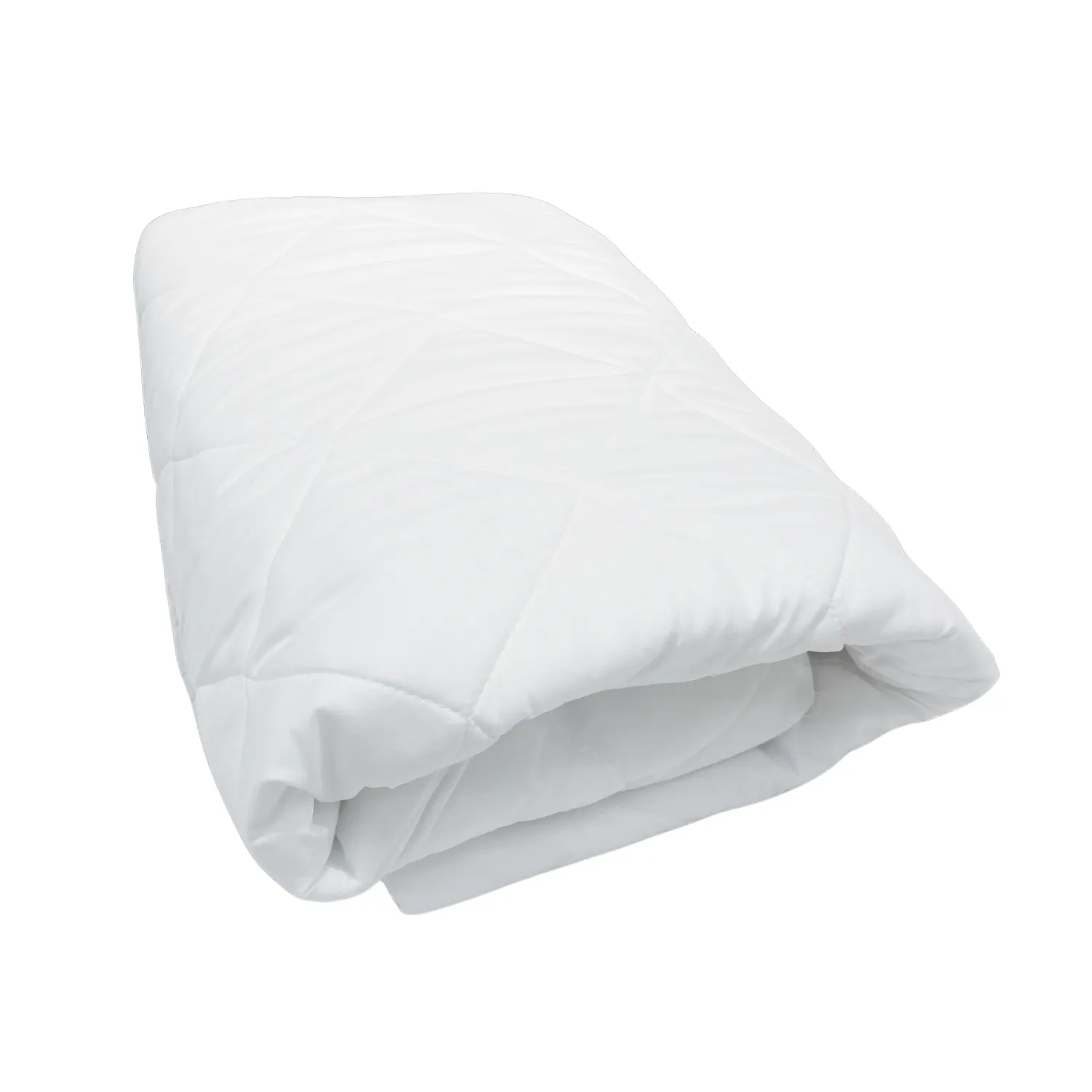
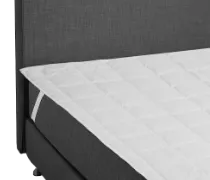
A mattress protector is a cover made from various materials, designed to encase the mattress and protect it from dust, stains, and wear. It’s an indispensable accessory that helps maintain bed hygiene and extends the life of the mattress.
Types of mattress protectors
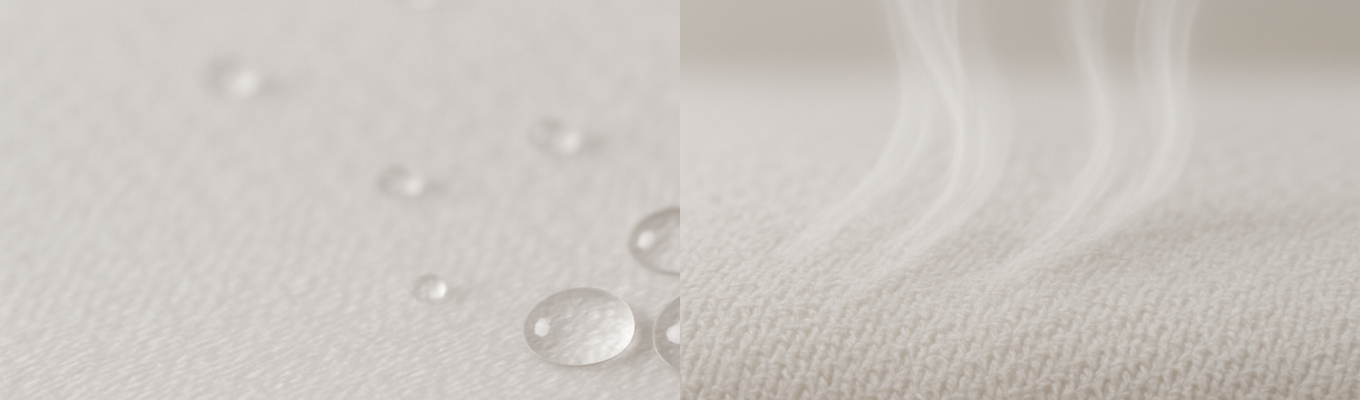
There are different types of mattress protectors, each with specific characteristics. Here are some of the most common:
- Waterproof mattress protectors – such as our Care Protect and Care Save: Ideal for households with children or pets; these models protect the mattress from liquids and stains.
- Breathable mattress protectors – such as our Care Soft: Made from materials that promote air circulation—perfect for those who tend to sweat at night. Soft and natural, they offer comfort and are easy to wash.
- Anti-allergy mattress protectors: Specifically designed to reduce allergies and skin irritation; often treated with special finishes.
How to choose the right mattress protector
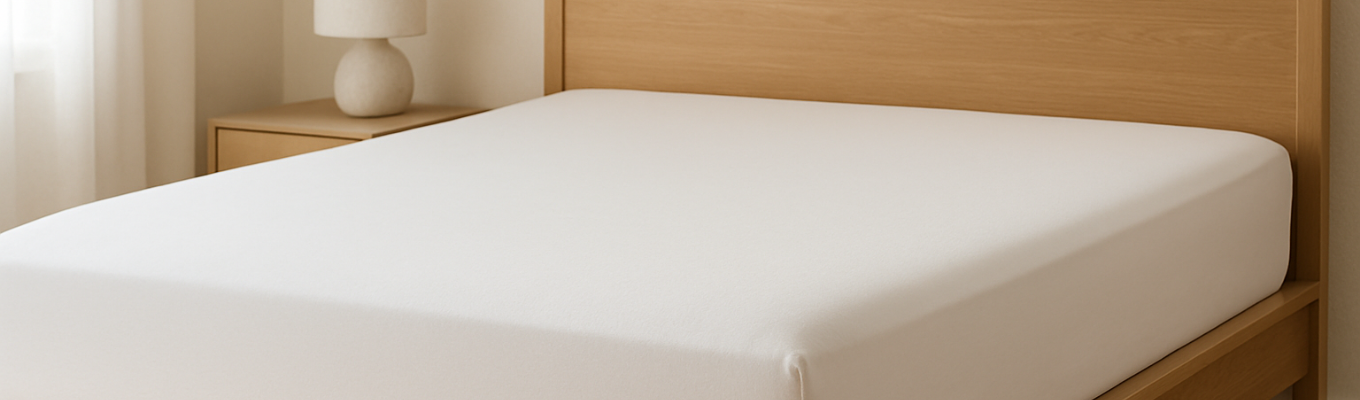
Choosing the right mattress protector requires attention to several factors. Here are a few aspects to consider:
- Size: Make sure to select the correct size (single, small double or double) so it fits your mattress perfectly.
- Material: Consider your personal needs regarding comfort, breathability and the care requirements of the chosen material.
- Function: If you need protection against stains or allergens, opt for a mattress protector specifically designed for those needs.
The benefits of a mattress protector
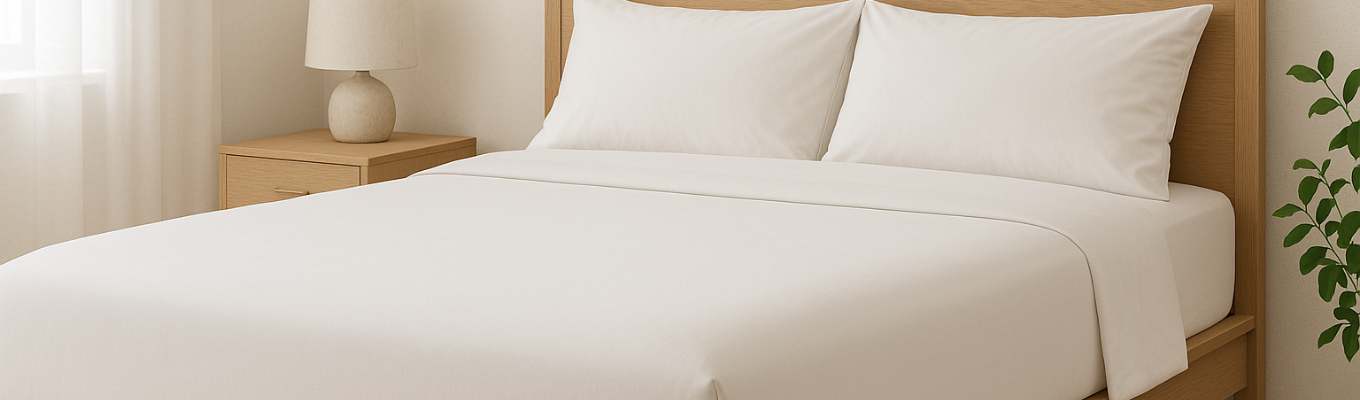
Using a mattress protector offers numerous benefits. It not only protects your investment in the mattress but also helps improve sleep quality. Here are some key advantages:
- Hygiene: A washable mattress protector helps keep the bed clean and reduces bacteria and allergens.
- Safety: Some models are flame-retardant or water-resistant, increasing safety in your sleep environment.
- Greater comfort: Some mattress protectors add an extra layer of softness to the mattress, making sleep even more pleasant.
Care and maintenance of the mattress protector
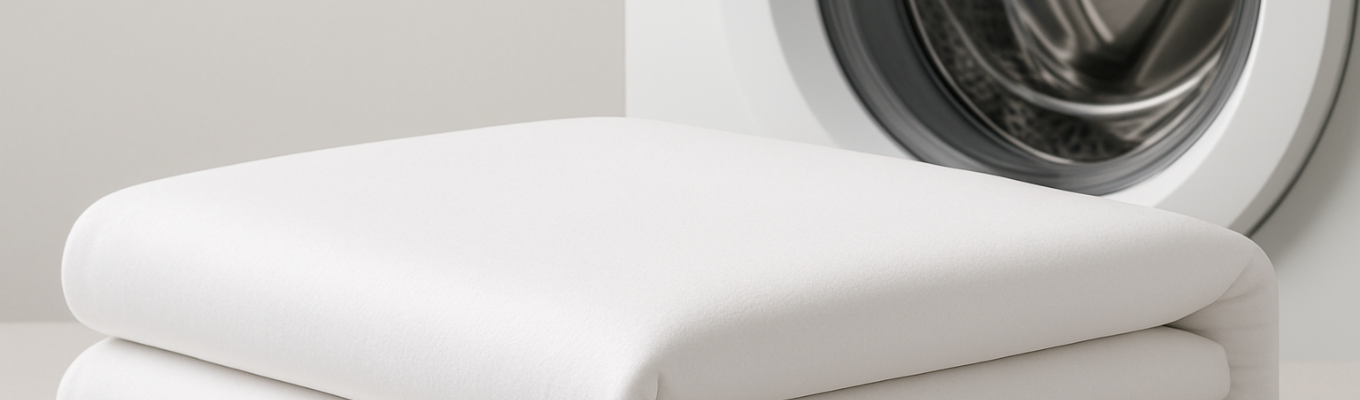
Keeping your mattress protector in excellent condition is simple if you follow a few recommended practices. Most models can be machine washed; however, always follow the specific instructions on the label. In general, it’s advisable to wash it every two months or more frequently if there are allergies or pets in the home.
Table: different features of mattress protectors
| Type | Ideal for | Pros | Cons |
|---|---|---|---|
| Waterproof | Children, pets, liquids | Full protection | Can feel warmer if not breathable |
| Breathable | People who sweat | Dry sleep climate | Lower barrier against liquids |
| Dust-mite-proof | Allergy sufferers | Reduces allergens | Higher price |
Choosing the right mattress protector not only improves your sleep experience but also protects your mattress from future damage. Investing in a good mattress protector is essential for anyone who wants to take the best care of their daily rest and maintain hygiene in their personal space.
FAQ
Difference between a mattress protector and a topper?
The first protects; the second adds comfort. They can be used together.
Is the waterproof model noisy?
Modern membrane fabrics are quiet and breathable.
Is it suitable for people with allergies?
Yes.
What is the standard size of a mattress protector for a double bed?
In Italy, common sizes are 160×190 and 160×200 cm. Also check the height of your mattress (often 25–30 cm).
How often should you wash a mattress protector?
Generally every 4–8 weeks; more often (every 2–4 weeks) in case of allergies, children or pets. Always follow the care label.
Does the topper go above or below the mattress protector?
Typically: mattress → topper → mattress protector → fitted sheet. If the protector doesn’t also cover the topper: mattress → mattress protector → topper → fitted sheet.
What goes on top of the mattress protector?
The fitted sheet. Then, if used, a top sheet, blanket or bedspread.
What goes between the mattress and the mattress protector / under the mattress protector?
Nothing is strictly necessary.
What should you use to protect the mattress from urine?
A waterproof, breathable mattress protector.
What should you put on the mattress to sleep better?
The sheet does not replace the mattress protector.
What happens if I don’t use a mattress protector?
Stains, odours and dust mites increase; cleaning becomes harder and the mattress lifespan may decrease.
What is the difference between a mattress protector and a sheet?
The mattress protector shields against liquids, dust and wear; the sheet provides comfort against the skin but is not a protective barrier.
Related products