
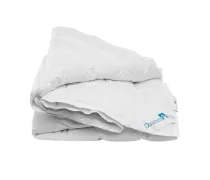
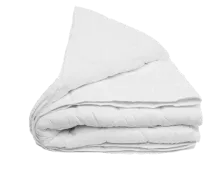
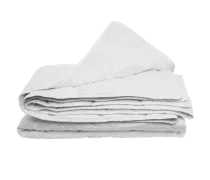




The benefits of a down topper

Your mattress is still in good condition but feels too firm, not very welcoming or simply not comfortable enough? In many cases you don’t need to replace it: just add a down topper to radically change the feeling of comfort and improve your sleep quality.
A topper is a padded layer that sits on top of the mattress and adds softness, gentle support and protection to the sleeping surface, with a much lower investment than buying a new mattress.
A down topper makes the mattress softer, more welcoming and more breathable.
In this article we explain what a down topper is, what its main benefits are, how to choose, use and care for it in the best way, and we answer the most frequently asked questions to help you understand whether it is really the right solution for your bed.

What is a down topper and what is it used for?
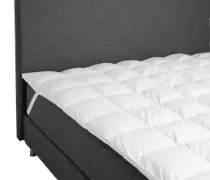
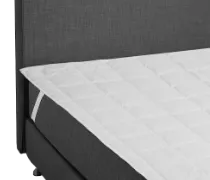
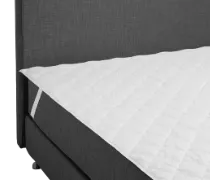
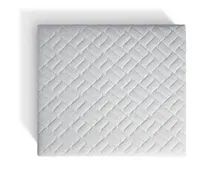
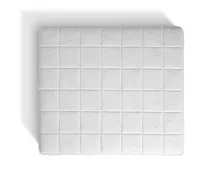
A down topper is a padded accessory, generally a few centimetres high, that rests directly on the mattress and is secured with practical elastic corners.
Its main functions are:
- Increasing the comfort of the mattress, making it softer and more welcoming;
- Smoothing out the sleeping surface, softening small irregularities;
- Providing the characteristic enveloping sensation typical of natural down;
- Protecting the mattress from everyday wear and tear.
It is the ideal solution if your mattress feels too firm, if you are looking for more “cloud-effect” softness without giving up the support of the underlying mattress, or if you want to give a second life to a mattress that is still structurally sound but no longer as comfortable as it once was.
The benefits of a down topper
1. “Cloud-like” softness
The most loved feature of a down mattress topper is the feeling of extreme softness: the body is gently cradled without sinking in. Thanks to its high fill power, down creates a soft layer that makes the bed more welcoming – almost like sleeping on a cloud.
This type of comfort is perfect for anyone who finds their mattress too firm or wants gentler support, particularly in the shoulder and hip areas.
2. Adaptive support and pressure relief
The down topper for your mattress is not only soft: the structure of the down allows the filling to follow the lines of the body in a natural way, distributing weight more evenly. This helps reduce pressure points that often cause night-time awakenings, tingling sensations or joint discomfort.
The combination of soft surface comfort and support from the mattress underneath offers a balanced feel, ideal if you are looking for a gentler surface without sacrificing stability.
3. Thermal comfort and natural breathability
Down is a naturally thermo-regulating material: it traps air inside and allows effective air exchange with the outside. This results in:
- Pleasant warmth in winter, without creating a stifling microclimate;
- Freshness and breathability in summer, thanks to down’s ability to absorb and release moisture.
Compared to many synthetic materials, a breathable down topper helps keep the bed drier and more comfortable – a key condition for hygienic, high-quality sleep.
4. Hygiene, practicality and a washable down topper
A quality topper must not only be comfortable, but also easy to keep clean. High-end down toppers are designed to be washable, often in the washing machine, as long as you carefully follow the instructions on the care label.
In addition:
- Good regular airing helps to disperse the moisture accumulated during the night;
- Using a protective fitted sheet or an extra cover helps protect the topper from stains and dust.
5. Mattress protection and longer lifespan
Placing a down topper between your body and the mattress also means extending the life of the mattress: the padded layer absorbs part of the daily wear (friction, sweat, repeated pressure on the same spots), keeping the mattress in better condition for longer.
At the same time, a well-maintained topper can accompany several mattress changes over the years, making it a long-term investment.
6. Sustainability and down from responsible sources
Another important aspect is the origin of the down. Choosing a down topper with certified filling means opting for a natural product that is designed to last and comes from controlled, responsible supply chains.

Down topper or memory foam? A quick comparison
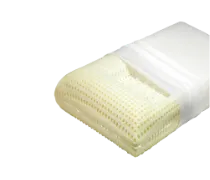
Many people search for “down topper or memory foam” because they don’t know which material best suits their needs. Here is a brief comparison to help you better understand the differences between a down topper and a memory foam topper.
| Feature | Down topper | Memory foam topper |
|---|---|---|
| Feel | Soft, cocooning, “cloud-like” effect | Firmer, cocooning but less soft |
| Breathability | Very good, ideal if you tend to sleep hot | Can retain more heat, especially if not perforated |
| Best for | Those who want to soften a firm mattress and prefer natural materials | Those who want more pronounced support and a very stable surface |
| Temperature regulation | Good management of moisture and temperature | Can feel warmer in the summer months |
| Feel when changing position | Responsive and light | Slower, “memory” effect |
Down topper
- Feel: very soft, cocooning, “fluffy” effect;
- Breathability: very good, ideal if you tend to sleep hot;
- Best for: those who want to soften a firm mattress and love natural materials.
Memory foam topper
- Feel: firmer, cocooning but less “soft”;
- Breathability: can retain more heat, especially in non-perforated versions;
- Best for: those who are looking for stronger support and a very stable surface.
There is no absolute “best”: if you want lightness, breathability and a cloud-like feeling, the down topper is generally the most natural choice.
How to choose the right down topper
1. Sizes: single, small double, double
The rule is simple: the down topper should match the size of the mattress (single, small double, double). A well-sized topper stays in place, doesn’t crease and ensures uniform comfort across the whole surface.
2. Thickness and filling composition
For goose down toppers, it is important to consider:
- Overall thickness: the thicker it is, the more pronounced the “cocoon” effect will be;
- Filling composition: a higher percentage of down makes the topper even softer and lighter, while a higher percentage of small feathers adds slightly more support.
This way you can choose the level of comfort that best suits your preferences, from an extra-soft down topper to one with a slightly more defined support.
3. Cover fabric and hypoallergenic properties
The cover of the topper, often made of soft, breathable cotton, should be:
- Pleasant to the touch;
- Resistant to frequent washing;
- Designed to keep the down inside and prevent feathers from poking through.
Many models are also hypoallergenic and washable, which is particularly useful if you want a more hygienic and protected bed.
4. Fixing system: elastic corners
A detail that is often underestimated but essential: the elastic corners. They allow you to fix the topper to the mattress and prevent it from shifting during the night, even if you move a lot.
This is a real plus for daily use, ensuring greater practicality and a more stable sleeping surface.
How to use a down topper correctly
Using a down topper is very simple, but a few tips can improve the result:
-
Positioning
Lay the topper on the surface of the mattress and fasten the elastic corners to the corners of the mattress. -
Layering the bed
Put your fitted sheet over the topper as usual; if you wish, you can add a dedicated protective cover on top. -
Regular rotation
Rotating the topper (head/foot) every 1–2 weeks helps to distribute wear more evenly and keep the down filling more uniform.
Care and washing of a down topper
To keep your down topper performing at its best for a long time, it is important to follow a few simple rules:
Frequent airing
Once a week, let it air by uncovering it and, if possible, placing it near an open window (avoiding prolonged direct sunlight). This helps to release the moisture accumulated during the night.
Shaking and “fluffing” the down
Shaking the topper helps restore volume to the filling and prevents the down from clumping too much in certain spots.
Washing
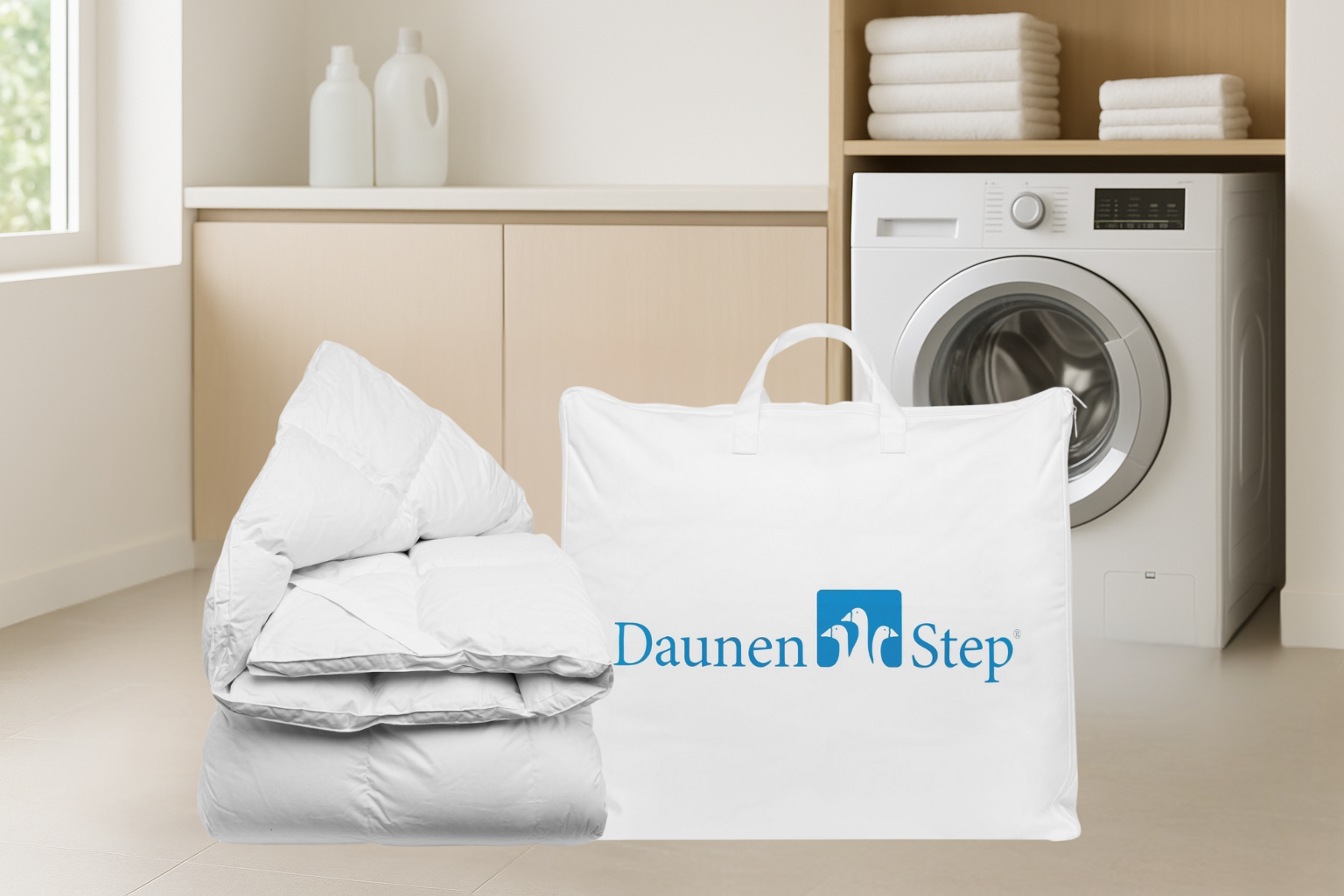
Always check the instructions on the care label. In general, washable down toppers can be washed in water at a moderate temperature with gentle detergents. Drying must be complete, preferably in a tumble dryer with special balls to restore volume to the down.
Everyday protection
Using a high-quality fitted sheet helps keep the topper clean for longer and reduces the need for frequent washing.
Conclusions: why choose a down topper for your bed
A quality down topper is a valuable ally to:
- Increase the softness of the mattress;
- Improve thermal comfort and breathability;
- Reduce pressure points and encourage a more restful sleep;
- Protect and prolong the life of the mattress;
- Choose a natural and sustainable product, if made from responsibly sourced down and controlled production processes.
If you want to turn your bed into a true haven of comfort, it is worth considering a down topper that combines craftsmanship, high-quality materials and a focus on sustainability.
FAQ about down toppers
What is a down topper used for?
A down topper is used to increase the comfort of the mattress, making it softer, more welcoming and more pleasant to the touch. It helps soften the hardness of an overly firm mattress, smooth the sleeping surface and protect the mattress from everyday wear and tear.
Is a down topper too warm in summer?
No. Down is a natural, breathable material: it traps air, promotes air exchange with the environment and helps maintain a more stable microclimate in the bed. Compared to many synthetic materials, a breathable down topper tends to retain less heat and is comfortable even in milder seasons.
How long does a down topper last?
With proper care (airing, rotation, washing according to the label), a down topper can last for many years while maintaining good performance in terms of loft and comfort. Its lifespan depends on the quality of the filling and daily use, but a premium product is designed to be a long-term investment.
Is a down topper suitable for people with dust mite allergies?
A high-quality down topper that is washable and made with densely woven fabrics can help create a more hygienic sleeping environment, especially when combined with suitable bedding and a consistent cleaning routine. However, in the case of specific allergies (to down or dust mites), it is always advisable to consult your doctor or allergist and consider specially certified products.
Which is better: a down topper or a memory foam topper?
It depends on your personal needs:
- If you want softness, lightness, breathability and natural materials, the down topper is the ideal option;
- if you need stronger support and a surface that gently “molds” to your body, you may prefer a memory foam topper.
The best choice is the one that best meets your needs in terms of comfort, temperature and sleeping position.
How do you wash a down topper?
It is essential to follow the instructions on the care label. In general, a washable down topper can be machine-washed at a moderate temperature with gentle detergents. Drying must be complete, preferably in a tumble dryer with special balls to restore volume to the down. Proper washing keeps the topper soft, hygienic and high-performing over time.
Does a down topper replace the mattress?
No. A down topper does not replace a damaged or sagging mattress, but it is perfect for enhancing a mattress that is still structurally sound yet no longer offers the desired level of comfort. In such cases, the topper can really make a difference.
What is the difference between a down topper and a mattress protector?
A mattress protector mainly has a protective function (against dust, stains and wear), whereas a down topper combines protection with an ergonomic function: it adds a padded layer that significantly changes the way the bed feels to lie on.